By Fatima Saka, Abuja
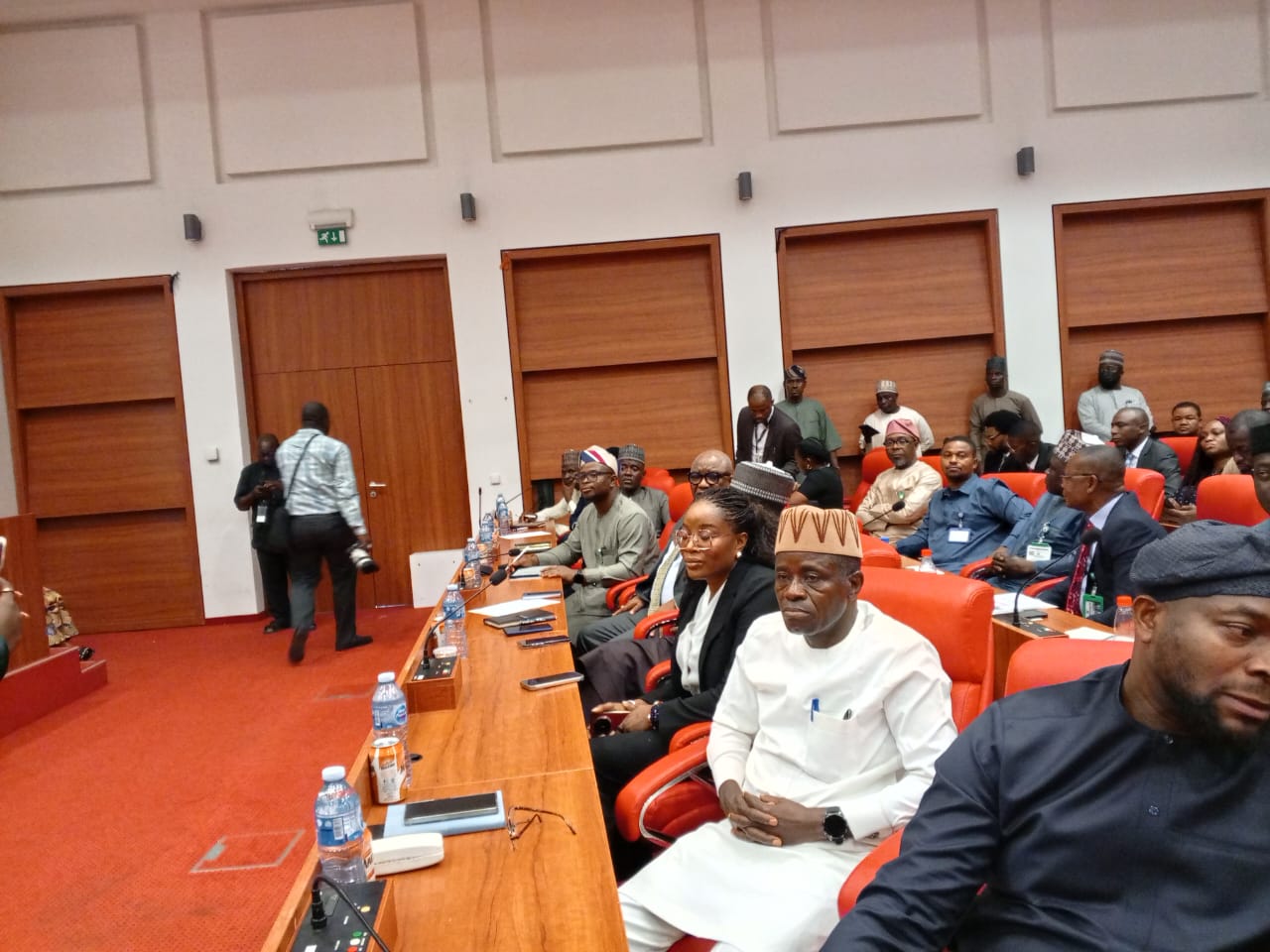
Stakeholders across Nigeria’s digital and technology ecosystem have endorsed the proposed National Digital Economy and E-Governance Bill 2025, describing it as a landmark step toward establishing a robust legal framework to strengthen digital governance, drive innovation, and accelerate socio-economic transformation.
However, participants at a Public Hearing on Monday, convened by the Joint Committees of the Senate and House of Representatives on ICT, Cybersecurity, Digital and Information Technology, urged lawmakers to clearly define institutional roles and avoid overlaps with existing regulatory agencies.

The Network of Advocates for Digital Reporting (NADIR), in its presentation, commended the Minister of Communications, Innovation and Digital Economy and members of the National Assembly for championing the initiative. Its Legal Adviser, Barrister Yunus AbdulSalam (SAN), said while the Bill represents a “significant legislative intervention” for modernizing Nigeria’s digital landscape, some provisions risk duplicating the mandates of agencies such as NITDA, NCC, and NDPC.
He warned that such duplication could “trigger constitutional and institutional disputes, raise compliance costs, and discourage private sector investment,” recommending instead that the National Assembly adopt a “consolidation and amendment approach”—integrating the Bill’s innovative provisions into existing laws to ensure coherence and efficiency.
Responding, Senator Shuaib Afolabi Salisu, Chairman of the Senate Committee on ICT and Cybersecurity, said the proposed law would enhance Nigeria’s digital competitiveness, strengthen e-governance service delivery, and improve transparency and ease of doing business. He noted that the digital economy contributes about 20 percent of Nigeria’s GDP, with the Bill poised to unlock further growth in innovation, job creation, and revenue generation.
Similarly, Honourable Adedeji Stanley Olajide, Chairman of the House Committee on Digital and Information Technology, said the engagement underscored Nigeria’s commitment to building a transparent, innovation-driven governance framework. “This marks a new phase in Nigeria’s digital transformation journey,” he stated.
The Minister of Communications, Innovation and Digital Economy, Dr. Bosun Tijani, lauded the legislature for advancing the Bill, assuring that stakeholder concerns would be addressed to ensure a balanced and inclusive outcome. He emphasized that the framework aims to promote data-sharing across government institutions, enhance public-private collaboration, and harness Artificial Intelligence (AI) as a catalyst for national productivity and competitiveness.
Echoing the need for modernization, NITDA Director-General, Kashifu Inuwa Abdullahi, said Nigeria must adopt an adaptive legal framework to seize opportunities presented by emerging technologies. He cited the use of AI in agriculture—providing farmers with real-time access to data on best practices, weather patterns, and input quality—as a pathway to achieving food security.
Other stakeholders at the hearing included the Nigerian Communications Commission (NCC), Nigeria Data Protection Commission (NDPC), Galaxy Backbone, NIGCOMSAT, Nigerian Computer Society (NCS), Office of the Head of the Civil Service of the Federation, and the Association of Licensed Telecom Operators of Nigeria (ALTON).
READ ALSO: No More Excuses, Must Appear Before Public Accounts Panel — Senate Warns NNPC GMD
Declaring the session open, Deputy Senate Leader, Senator Oyelola Ashiru, representing Senate President Godswill Akpabio, described the Bill as a bold legislative move to align Nigeria’s governance and economic systems with global digital realities.
If enacted, the National Digital Economy and E-Governance Bill 2025 is expected to serve as a transformational instrument, akin to the telecommunications liberalization policy of 2001—ushering in a new era of efficiency, innovation, and inclusive growth across Nigeria’s digital ecosystem.
About The Author