By Fatima Saka
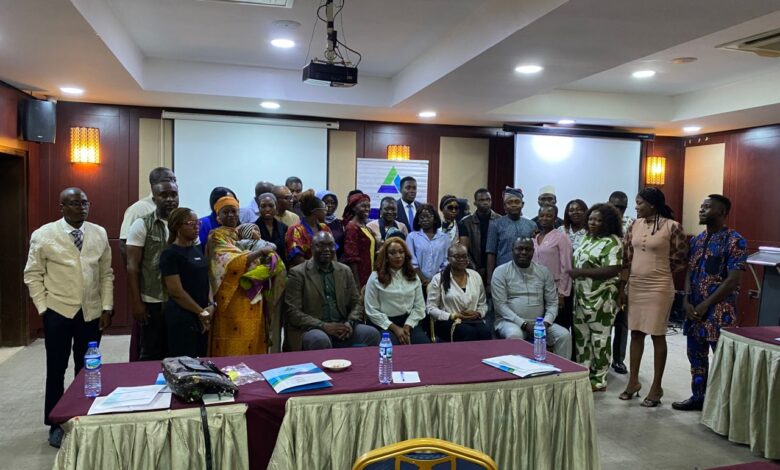
Abuja — In a quiet conference room in Nigeria’s capital on Monday, a discourse around police reform conversation unfolded, placing journalists not just as chroniclers of the events, but as critical actors in rebuilding public trust, accountability and gender-responsive policing.
The one-day workshop, organised by the Rule of Law and Empowerment Initiative, also known as Partners West Africa Nigeria (PWAN), brought media practitioners together to examine how police reform is reported, understood and ultimately experienced by citizens.
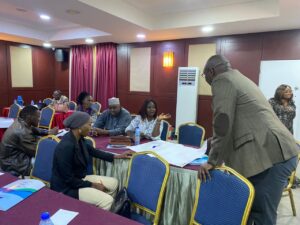
The theme, “Enhancing Public Trust and Gender Responsive Policing in Nigeria Through Effective Implementation of the Police Act 2020,” set the tone for a reflective, solution focused engagement.
Opening the session, PWAN Executive Director Kemi Okenyodo framed the media workshop as more than a training exercise; it was, she said, an intervention in Nigeria’s fragile relationship between citizens and the police.
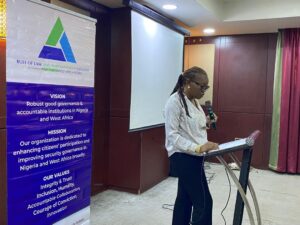
“Effective security governance must be accountable, professional, inclusive and responsive to the needs of the people,” Okenyodo told participants, stressing that women, youth and other vulnerable groups often bear the brunt of policing failures. As a women-led organisation working across Nigeria and West Africa, she said PWAN’s commitment is rooted in strengthening citizen participation while improving security governance and protection systems.
With support from the Foreign, Commonwealth and Development Office (FCDO), PWAN is implementing the police reform project across Nigeria’s six geopolitical zones. The initiative focuses on translating the promises of the Police Act 2020 into everyday policing realities, by improving institutional accountability, gender responsiveness and public trust in the Nigeria Police Force (NPF).
At the heart of the project is awareness. According to PWAN, many rights violations persist not only because of weak enforcement, but because citizens and even journalists lack a clear understanding of what the Police Act actually provides. By deepening knowledge of the law, the organisation hopes to reduce abuses and promote a more citizen-responsive policing culture.
The workshop’s first session set the foundation, unpacking the meaning of police reform, the key provisions of the Police Act 2020 and its accompanying regulations, and the role of citizens and the media in sustaining a robust reform framework. Discussions highlighted how informed reporting can amplify accountability, rather than inflame tensions.
Beyond law and policy, the tone shifted towards practice. In sessions led by Isu Media and veteran journalist Chris Ewokor, participants revisited the principles of developmental reporting and solutions journalism approaches that move reporting beyond outrage to context, explanation and reform-oriented storytelling.
One brainstorming session challenged journalists to rethink their roles “from witness to local explainer,” encouraging reporting that helps communities understand police procedures such as arrest, stop-and-search and profiling, rather than merely reacting to their excesses.
Ewokor’s sessions on “Humanising the Police and Policing” and “Ethics and Language That Builds Reform, Not Rage” struck a delicate balance, acknowledging public anger over police misconduct while urging journalists to avoid language that deepens mistrust or undermines reform efforts.
Later discussions focused on mainstreaming the Police Act in everyday reporting, particularly around police conduct and citizens’ rights. Participants examined how consistent, informed media coverage can strengthen oversight by institutions such as the Police Service Commission (PSC), the National Human Rights Commission (NHRC), civil society organisations and even social influencers.
Ndiowu Community Protests Alleged Imposition of Monarch, Demands Soludo’s Intervention
The day ended not with speeches, but with action planning. In group sessions, journalists reflected on how to apply their learning, through investigative follow-ups, community centred reporting and sustained engagement with accountability mechanisms.
For PWAN, the workshop reinforced a central idea: police reform is not only about laws and institutions, but about narratives. And in a country where trust in law enforcement remains fragile, the media’s ability to report responsibly, ethically and knowledgeably may be one of the most powerful tools for change.
About The Author