Nigeria has unveiled a sweeping new National Cancer Control Plan (2026–2030) while calling for stronger continental collaboration to confront Africa’s escalating cancer crisis.
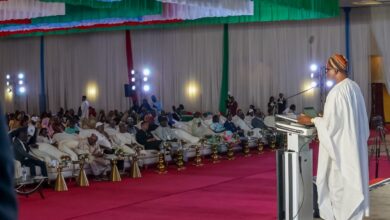
The Minister of State for Health and Social Welfare, Dr. Iziaq Adekunle Salako, made the disclosure at the Africa Oncology Collaboration and Innovation Forum, held from December 5 to 8, 2025, at the Sonesta St. George Hotel in Luxor, Egypt, where he urged African nations to “bridge borders, share resources and act as one” in tackling a disease he described as a silent epidemic across the continent.
Quoting GLOBOCAN 2022 statistics, Dr. Salako said Africa recorded over 1.18 million new cancer cases and more than 763,000 deaths, figures he noted now surpass fatalities from war, HIV/AIDS, malaria and tuberculosis combined. He added that Nigeria accounts for 10.5 per cent of the continent’s cancer burden, placing it among the top three most-affected countries in Africa, alongside Egypt and South Africa.
“These unacceptable figures demand greater cooperation. We must build a coordinated, Pan-African response — this is the essence of healthcare Pan-Africanism,” he said.
The minister explained that Nigeria’s renewed commitment to cancer control is built on the establishment of the National Institute for Cancer Research and Treatment in 2017, which laid the foundation for recent advancements.
He revealed that in the past 31 months under President Bola Ahmed Tinubu’s administration, there has been a significant increase in political will, funding and investment in oncology care.
Key achievements include the establishment of six new cancer centres of excellence, procurement of advanced oncology equipment, expanded training and development of cancer care professionals, and strengthened cross-border research and treatment collaborations.
Dr. Salako also announced the development of two major policy instruments to transform Nigeria’s cancer response — the National Nuclear Medicine Policy and Strategic Plan and the Nigeria National Cancer Control Plan (2026–2030).
The new plan, scheduled for official launch in the first quarter of 2026, is aligned with the WHO Global Breast Cancer Initiative, the Global Initiative for Childhood Cancer and the Global Cancer Declaration of the Union for International Cancer Control. It outlines comprehensive strategies covering prevention, early detection, treatment, palliative care, survivorship, research, resource mobilisation and quality improvement.
In a major public health commitment, Dr. Salako revealed that Nigeria, through its National Task Force on Cervical Cancer Elimination, aims to screen at least 50 per cent of eligible women by 2027 and treat 100 per cent of detected pre-cancerous lesions.
He further highlighted the success of Nigeria’s HPV vaccination campaign, launched in October 2023, which has already reached nearly 15 million girls aged 9–14, positioning the country among Africa’s most aggressive in cervical cancer prevention.
To reduce the devastating financial impact of cancer treatment, the minister announced that the National Health Insurance Programme is finalising a catastrophic health insurance package that will cover cancer care. He also disclosed that the government is implementing a National Cancer Health Fund and supporting the Nigeria Cancer Society’s Cancer Intervention Fund to ease the burden on patients and families.
Dr. Salako declared Nigeria’s support for the proposed Africa Oncology Network, describing it as a critical platform to consolidate expertise, attract investments and expand equitable access to quality cancer care.
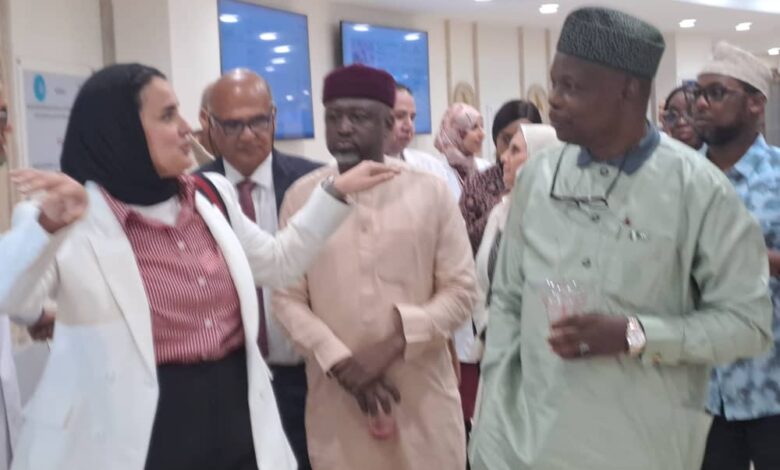
During a guided tour of Shefa Alorman Hospital, the minister commended the facility as a remarkable African achievement driven by vision, commitment and professional excellence.
READ ALSO: IBM Lagos Branch Marks 40th Anniversary, Unveils ₦350m Multipurpose Hall Project
He further urged African leaders to elevate healthcare, especially cancer care, within the continent’s integration agenda, in line with the African Union’s Agenda 2063, stressing that healthcare Pan-Africanism must now become a central priority alongside politics, trade and security.
The forum brought together leading oncology experts, policymakers, development partners and civil society organisations from across Africa and beyond under the theme, “Bridging Borders for a Stronger Oncology Care Future in Africa.”
About The Author