
By Fatima Saka
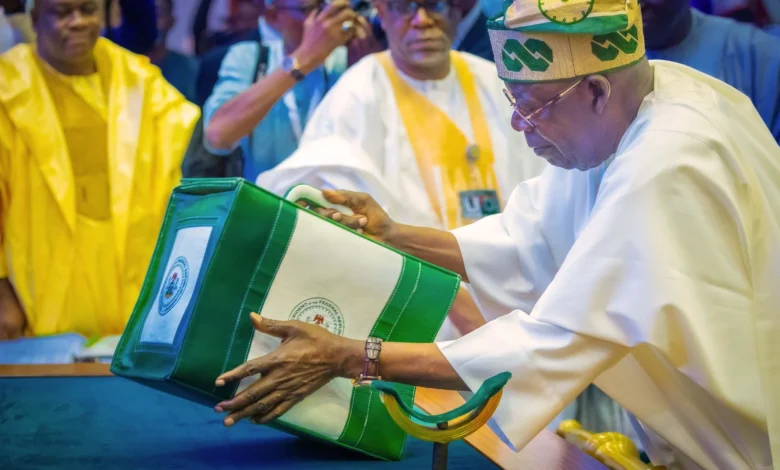
In a charged atmosphere inside the National Assembly complex, federal lawmakers on Friday offered mixed but largely hopeful reactions following President Bola Ahmed Tinubu’s presentation of the 2026–2028 Medium-Term Budget, which promises to reset Nigeria’s fiscal calendar, consolidate previous shortfalls, and prioritise national security, economic stability and infrastructure renewal.
The President’s candour in admitting the poor implementation of the 2024 and 2025 budgets, as well as his pledge to align a single income stream to a single budget cycle from April 2026, set the tone for intense scrutiny and cautious optimism across party lines.
A Bold Fiscal Reset — Senator Jimoh Ibrahim
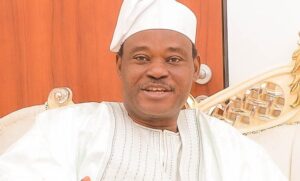
Senator Jimoh Ibrahim, representing Ondo South, hailed the President’s decision to halt multi-year overlapping budget implementation as “a fantastic arrangement” capable of restoring fiscal order. He recalled how successive administrations funded multiple backlogged budgets with future revenues, calling it “embarrassing” and unsustainable.
According to him, Tinubu’s consolidation plan and April 2026 budget alignment would finally ensure one income stream funds one fiscal plan.
On the ₦5.41 trillion security allocation, Ibrahim backed the administration’s insistence on data-driven execution: “The President has solved his problem by himself, insisting on data gathering, documentation, IT-driven revenue and expenditure tracking. Spending must match revenue and results should come from the system, not guesswork,” he said, while praising what he described as a “liberal but responsible Senate” willing to support reforms.
Vindication and a Day of Reckoning — Senator Abdul Ningi
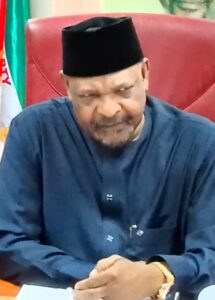
For Senator Abdul Ahmed Ningi (Bauchi Central), the budget speech marked a turning point. He commended Tinubu for openly acknowledging failures in past budget execution, a stance he said validates long-standing concerns earlier raised by lawmakers.
“For the first time, the President clearly admitted that 2024 and 2025 allocations were not implemented. He has sworn to deliver 2026 fully and we will hold him accountable,” he declared.
Ningi, previously sanctioned for questioning fiscal integrity, described the moment as “a day of reckoning,” stressing that the Senate would not allow another cycle of unfulfilled budgetary promises.
‘A Budget to Consolidate Gains’ — Senator Adeyemi Adaramodu
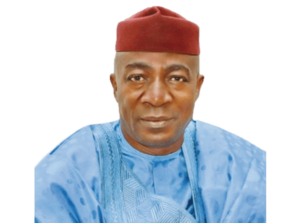
Senator Adeyemi Raphael Adaramodu (Ekiti South) described the budget as “fantastic” and a continuation of perceived economic stabilisation wins.
He highlighted improved fuel availability, Naira stability trends and reduced inflation expectations as indicators of progress:
“This budget is an obligation fulfilled, not just presentation, but content. It consolidates economic gains and provides direction. We will interrogate every page and ensure the benefits move from letters to practical reality,” he assured.
He defended earlier budget repeals and realignments, insisting they prevented abandoned projects and set the stage for the administration’s promised single-budget regime from April 2026.
Security and Patience — Senator Pam Dachungyang
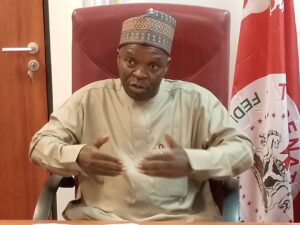
Senator Pam Mwadkon Dachungyang (Plateau North) adopted a cautious but hopeful stance, especially on security financing.
He acknowledged past disappointments despite heavy defence allocations but said fresh leadership changes in the security sector and renewed prioritisation offered hope: “The President’s seriousness is evident. Let us give the benefit of doubt. Security outcomes are not always instantly visible, but intention and structure now look stronger,” he stated.
He urged Nigerians, especially conflict-hit regions such as Plateau to remain patient and cooperative, emphasising prompt reporting of security threats to authorities.
Oversight Will Be Crucial — Senator Osita Izunaso
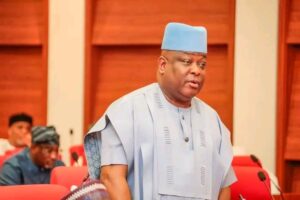
For Senator Osita Izunaso Bonaventure, belief in the budget must be matched with rigorous oversight. “We in the National Assembly cannot keep quiet. Budgets don’t implement themselves. Where agencies fail, we’ll intervene, that’s our job,” he asserted, calling for full partnership between the executive and parliament.
The Hope, Skepticism, and the Weight of Expectations
The lawmakers’ reactions paint a national mood caught between relief at long-overdue fiscal honesty, hope for policy correction, and lingering doubt born from years of unkept budgetary promises.
Tinubu’s pledge to end multi-year budget distortions, prioritise security and anchor the economy on technology-driven transparency has clearly resonated. Yet, lawmakers insist their support will be tied to measurable delivery.
As the 2026–2028 budget enters the scrutiny chambers of parliamentary committees in the coming days, Nigerians, weary of pledges and eager for proof, wait, watch, and hope that this budget will be different.
About The Author


