
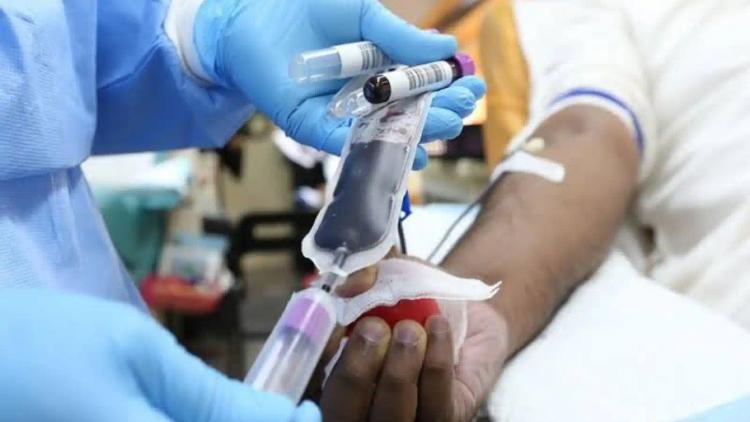
In a significant doctrinal clarification, Jehovah’s Witnesses have announced that members can now make personal decisions regarding the use of their own blood in medical procedures, marking a nuanced shift in the group’s long-standing position on blood-related treatments.
The clarification was delivered in a video statement by Gerrit Lösch, who emphasized that while abstinence from blood remains a core religious principle, the Bible does not explicitly address the medical use of one’s own blood. As a result, adherents are encouraged to rely on personal conscience when making such decisions.
“Regarding the use of one’s own blood…a Christian must decide for himself how his own blood will be handled in the course of a surgical procedure, medical test, or current therapy,” Lösch stated.
He explained that the updated clarification extends to procedures where a patient’s blood may be removed, stored, and later reintroduced into the body—an area that had previously generated uncertainty among members. According to him, while some believers may accept such practices, others may decline, underscoring the organization’s emphasis on individual choice in this context.
The development reflects evolving engagement with modern medical practices, as many members already permit procedures involving their own blood, including blood tests, dialysis, heart-lung machine use, and cell salvage techniques.
The clarification comes in the wake of renewed public debate following the death of Esther Mensah, a social media influencer known as Aunty Esther, who declined a medically recommended blood transfusion while battling cancer due to her religious beliefs. Her death in December 2025 sparked widespread discussions on the intersection of faith, medical ethics, and patient autonomy.
READ ALSO: Nigeria, EU Deepen Strategic Ties,Host 8th Ministerial Dialogue in Abuja
MTN Pays Emir Sanusi II N442m as Non-Executive Director Remuneration Rises
Observers say the latest position signals an effort by the religious body to maintain its doctrinal stance while providing flexibility for members navigating complex healthcare decisions.
Health experts note that the clarification could ease tensions between medical practitioners and Jehovah’s Witness patients, particularly in critical care situations where blood management options are often central to treatment outcomes.
About The Author