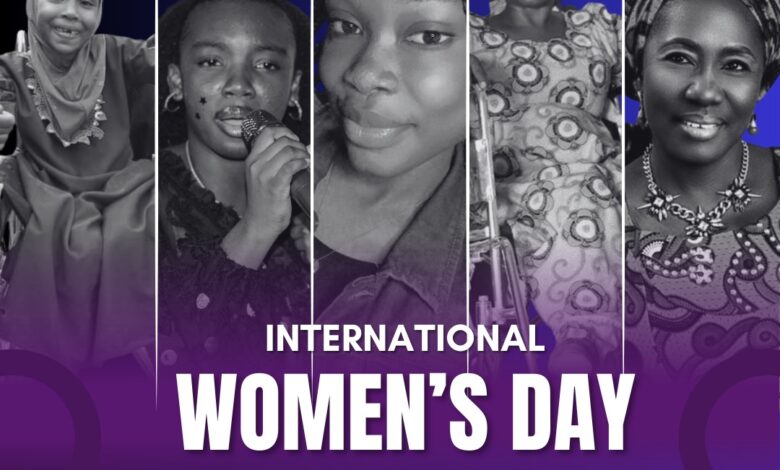
As the world marks International Women’s Day 2026, the BO Foundation for Inclusive Media (BOFIM) has called on governments, institutions, and communities to increase investment in women, particularly women with disabilities, to promote inclusive development.
In a press statement issued to commemorate the global event, the Founder and Executive Director of BOFIM, Blessing Oladunjoye, said meaningful progress toward gender equality can only be achieved when deliberate efforts are made to support the rights, voices, and participation of all women, regardless of disability.
Oladunjoye noted that women with disabilities continue to face multiple and intersecting barriers, including limited access to education, employment opportunities, digital tools, and visibility in the media.
According to the organisation, addressing these challenges requires intentional policies and increased investments in capacity building, accessible technologies, and equitable media representation.
“Giving women and women with disabilities equal opportunities is not charity; it is an investment in inclusive development,” Oladunjoye said. “When women are supported to participate fully in economic, social, and civic life, societies gain stronger institutions, more resilient communities, and more inclusive growth.”
Aligning with this year’s theme, “Rights. Justice. Action. For All Women and Girls,” and the campaign slogan “Give to Gain,” BOFIM also emphasised the critical role of the media in advancing gender and disability inclusion.
READ ALSO: Ogoniland Mangrove Wetland Gains Global Recognition of Ramsar Site
BSN to Hold Primary School Bible Competition
The organisation urged journalists and media institutions to amplify the voices and experiences of women with disabilities while challenging stereotypes that limit their participation in public life.
BOFIM reaffirmed its commitment to strengthening the capacity of journalists to produce inclusive and gender-responsive reporting, noting that responsible storytelling can help shape public attitudes, influence policies, and promote greater accountability toward the rights of women and persons with disabilities.
About The Author