By Fatima Saka
The Federal Government has revealed plans to convene the 2026 National Traditional and Religious Leaders’ Summit on Health as part of efforts to deepen community engagement, strengthen health reforms, and improve outcomes across the country.
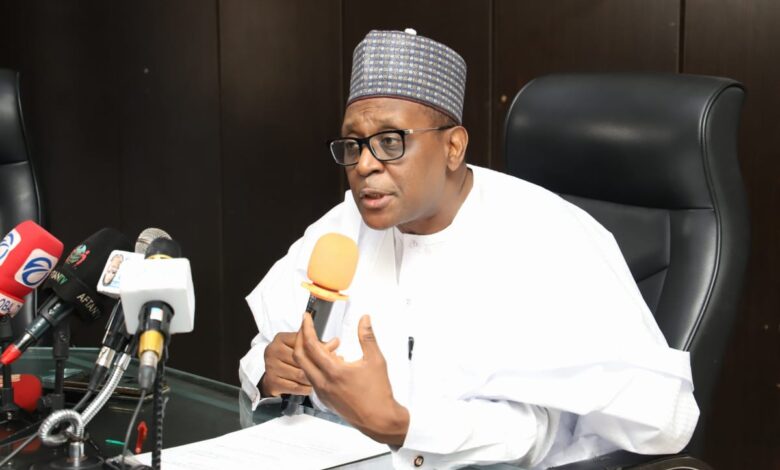
The Coordinating Minister of Health and Social Welfare, Professor Muhammad Ali Pate, disclosed this on Wednesday during a ministerial press briefing in Abuja ahead of the summit scheduled for Monday, February 16.

Professor Pate said the summit marks the first time traditional and religious leaders from across Nigeria would be brought together at a national level to engage holistically on health sector reforms.
He explained that the initiative aligns with the Health Sector Renewal Investment Initiative and the broader reform agenda of President Bola Ahmed Tinubu aimed at improving governance, service quality, health security, and domestic health financing.
“The health outcomes we seek cannot be driven by government action alone,” Pate said. “They are shaped by community trust, leadership, and everyday household decisions. Even if facilities are available, families must decide to seek care.”
The Minister emphasized that traditional and religious leaders play a critical role in influencing community behavior, mobilizing citizens, and addressing misinformation, especially during vaccination campaigns and disease outbreaks.
He cited Nigeria’s recent integrated measles and rubella vaccination campaign, which reached over 60 million children, the largest on the African continent, as well as the successful rollout of the Human Papillomavirus (HPV) vaccine, noting that community and faith leaders were instrumental in achieving high coverage rates.
Beyond immunization, Pate said the summit would address broader issues including maternal health, tuberculosis, HIV, malaria, nutrition, and health security.
In a significant development, the Minister also announced that the Federal Government would use the summit to formally launch the second cohort of the National Health Fellows Programme. The programme recruits young professionals from across all local government areas to support healthcare delivery and reform implementation.
The first cohort, launched last year, he said, had performed exceptionally well over the past 12 months.
“We are proud of what they have achieved, and the next cohort will further strengthen our grassroots engagement,” he stated.
Professor Pate further highlighted a renewed Nigeria–United States Memorandum of Understanding (MOU) on HIV, malaria, and tuberculosis funding, valued at nearly $2 billion over five years.
He explained that following adjustments in U.S. foreign aid policy in 2025, Nigeria engaged in constructive dialogue to reset the partnership toward a more sustainable model.
Under the agreement, the U.S. government will provide funding support over a five-year transition period, after which Nigeria is expected to fully assume financing responsibilities.
“We do not want Nigeria to depend on external aid in perpetuity,” Pate said. “The health of Nigerians is the responsibility of Nigerians. This partnership allows for a systematic transition while we strengthen domestic financing.”
He clarified that 10 percent of the U.S. contribution under the MOU is designated for faith-based health facilities, reflecting Nigeria’s bi-religious structure and the role of religious institutions in healthcare provision.
Addressing concerns about the Basic Healthcare Provision Fund (BHCPF), the Minister noted that quarterly disbursements to primary healthcare facilities had increased from N300,000 to N600,000 per facility to support operations, stipends, and essential drugs.
He added that service utilization has significantly improved, rising from less than 10 million in 2023 to nearly 45 million by 2025, demonstrating stronger collaboration between federal and state governments.
Professor Pate described the summit as an escalation and expansion of earlier engagements, including the Northern Traditional Leaders Committee on Primary Health Care established in 2009, which played a major role in Nigeria’s polio eradication efforts.
“This is the first time northern and southern traditional leaders will be brought together nationally on health,” he said. “It is about building a people-centered, community-driven and sustainable health system.”
READ ALSO: Africa Bible Societies seek to bridge Africa’s Bible mission gaps
Friends of the Deaf International tasks government on special needs education
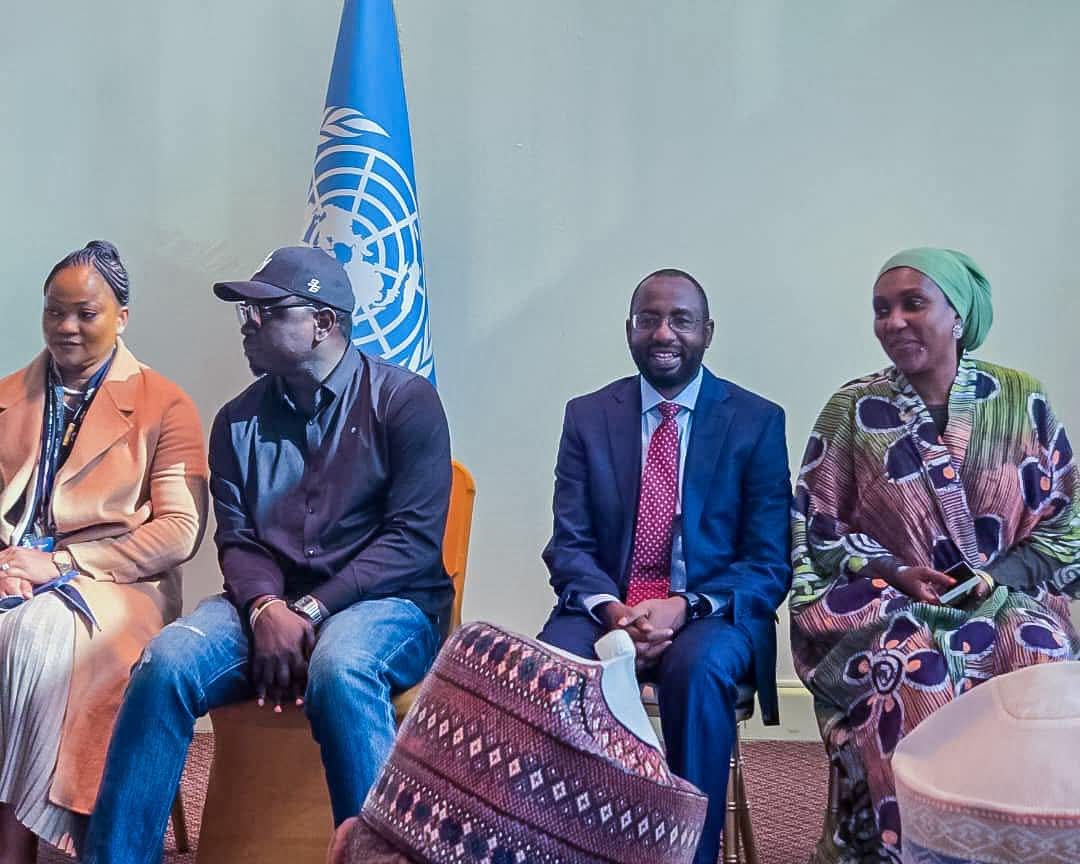
Development partners at the briefing commended the Federal Government’s initiative and pledged support for the upcoming summit.
The Federal Government reiterated that achieving sustainable health improvements would require collective action from federal, state, and local governments, the private sector, community leaders, and citizens.
“We are not yet where we want to be,” Pate said, “but together, working collectively and responsibly, we will get there.”
About The Author