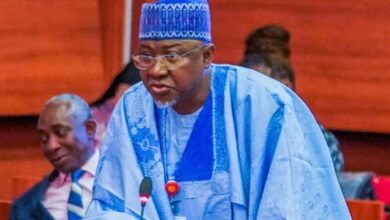
Speakers House of Reps: 400, 000 policemen not enough to secure Nigeria’s huge Population, call for collaboration with State Assemblies on constitutional amendments

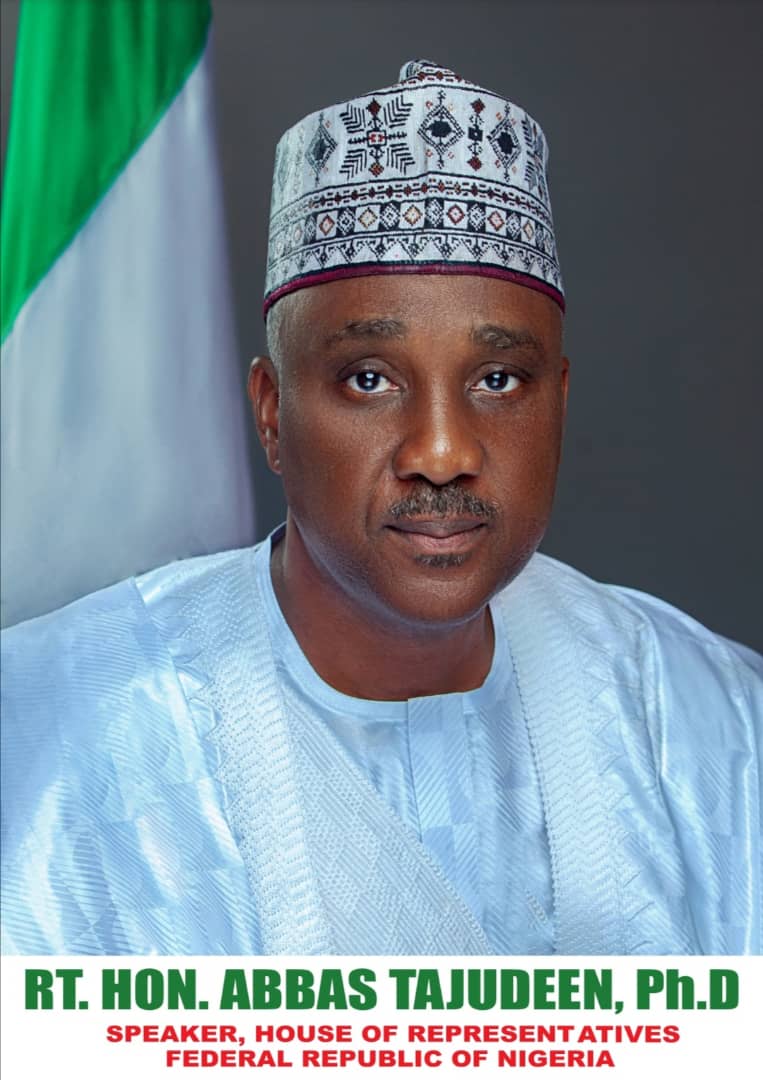
By Fatima Saka
The Speaker of the House of Representatives, Hon. Tajudeen Abbas has said that the number of policemen which is placed at about 400,000 is not sufficient to provide security to over 200 million Nigerians.
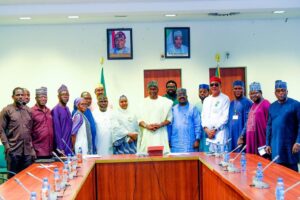
Speaking during a courtesy call on him by the association of Clerks of State Houses of Assembly on Thursday, Abbas who was represented by the Deputy Speaker of the House, Rt. Hon
Benjamin Okezie Kalu, said that it is necessary to establish state police.
He said state policing will increase internal security because the operators are already familiar with the terrain they are to police.
Abbas said that the establishment of State Police is akin to the amendments made to issues of railway, power amongst others by the 9th National Assembly to enable the States enjoy some constitution rights under the concurrent list to delve into those issues.
He said: “On other key nationally important matters like state police, for example, the House recognizes the diverse perspectives and needs across different states. We believe that through constructive dialogue and a willingness to find common ground, we can arrive at solutions that truly serves the best interests of all Nigerians.
“Talking about state Police, you will remember also that we did something with the Correctional Services. These are issues that ordinarily fall into the exclusive list of the Constitution of the federal of republic of Nigeria which you had no business tampering with. But in the spirit of true federalism, the 9th and 10th Assemblies are determined to bring some of these for better governance to take it from the exclusive list to the concurrent list. We did that with the railway and power in the 9th assembly. The question is, how many of the states have drafted laws, domesticating that in their state?
“Now, the State Police is here. We want to use the legislative intervention to improve the needs in our society. One of our needs is security. And we have tried the one layer police system and they overwhelmed us. The truth remains that 400, 000 policemen, policing over 200 million people can never give you the expected security. It is not even in line with the international best practices on police per citizen policing.
“How do we make it trickle down and achieve what we are looking for. Imagine a brother of mine trained in Sokoto or Kaduna during his training as a policeman and he finished and was sent to Bayelsa, a riverine area where the culture is different, language is different, even the way of movement is different -they use mainly boats and this our brother has a phobia for water, how do you expect him to police the people who swim? The policing will not be thorough. But take a man from that community who knows the in and out of the geography of the area, train him around that place, send him to police, you will agree with me that he will police better. The same thing if you take my brother from Bayelsa to Sokoto, he will not police better than the Sokoto man.
“Yet, the spirit of one nation, national integration, federal character is key and cannot be tampered with. That is why the federal police can have the coloration of what it is at the moment.
“And another thing is, if we don’t streamline it, you will see pockets of organizations, vigilante groups springing up everyday, getting armed everyday. If tomorrow we are not able to manage them in line with the core principle of policing, we may end up creating monsters that will add to insecurity.”
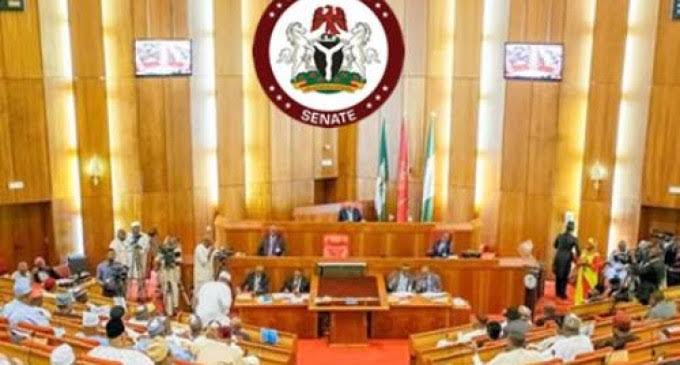
Abbas also called for collaborations among the national parliament and the State Assemblies with regards to the ongoing constitutional amendments.
He said that the synergy was necessary if lofty results were to be achieved.
“The House of Representatives recognizes the crucial role State Assemblies play in shaping the fabric of our nation. We understand that effective governance in a federal system like ours requires inter-governmental collaboration and synergy between the government at the center and the federating units.
“The Nigerian constitutional amendment process has long been a subject of national discourse, and rightfully so because the society is dynamic. It presents a unique opportunity to address critical issues, strengthen our institutions, and pave the way for a more prosperous, enviable and equitable future for all Nigerians.
“However, this process cannot succeed without a unified front. It’s been tested time and again that the federal legislature in isolation of the states legislature cannot amend the grundnom. The constitution is clear on that. Responsibility is shared.
“The House of Representatives firmly believes that collaboration between the National Assembly and State Assemblies is essential to achieve meaningful and lasting reforms. The clerks are the backbones of the State legislature.
“We are committed to working closely with you, the Clerks who serve as the backbone of your respective legislative houses, to ensure open communication, exchange of ideas, and a shared understanding of the issues at stake”, he said.
Earlier in her presentation, the chairman and leadership of the delegation, Rukaiyatu Adamu Jalo told the Speaker that their mission to the House was to seek collaboration with the House, appreciate the national assembly for the passage of the autonomy for state legislature and judiciary bill into law and to understudy the national parliament on the implementation of practice and procedures of legislative business.
Bemoaning the non implementation of the act in many states, Adamu appealed to the House leadership to interface with the Forum of State Speakers to resolve the issue.
About The Author