The Federal Government has expressed deep concern over recent changes in global health funding, declaring that Nigeria must take full responsibility for the health of its citizens and reduce dependence on external support.
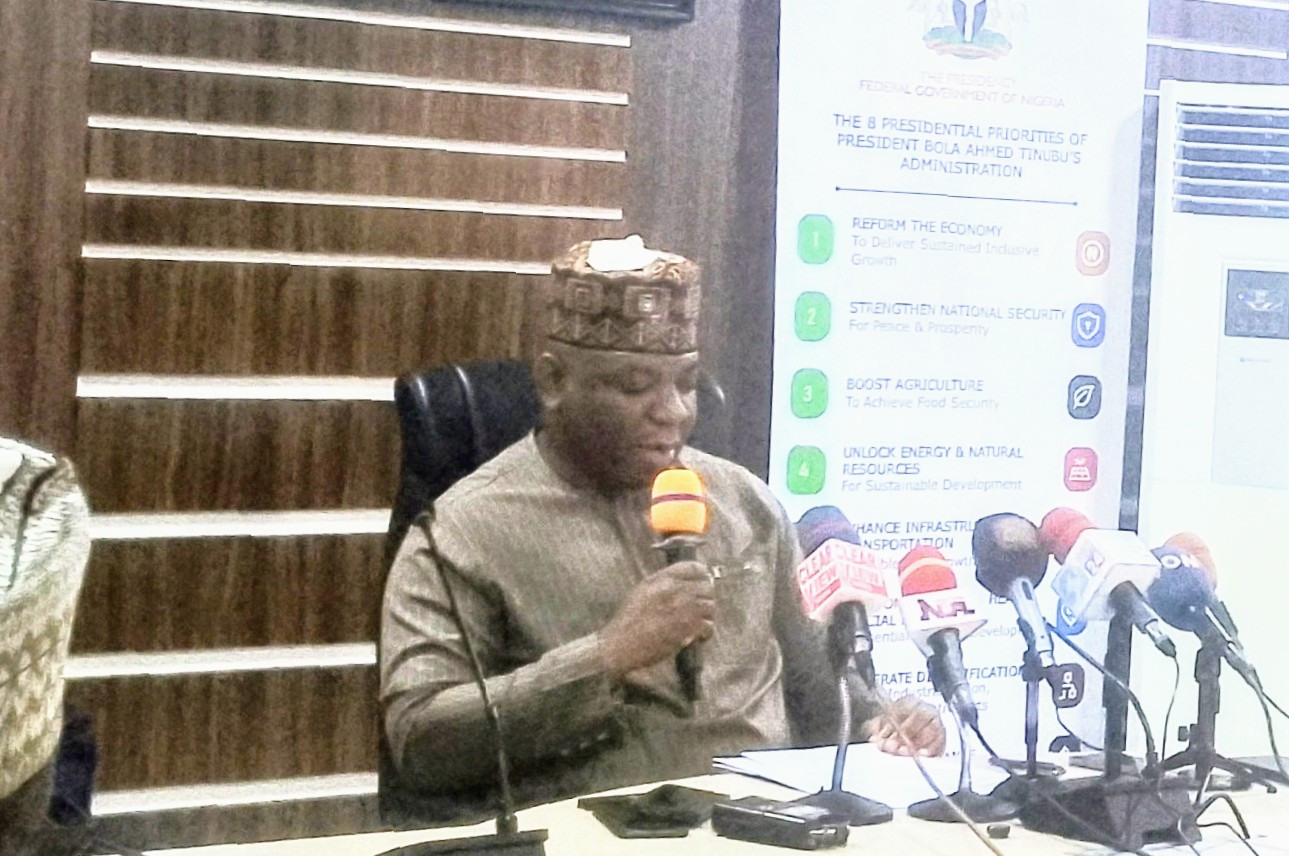
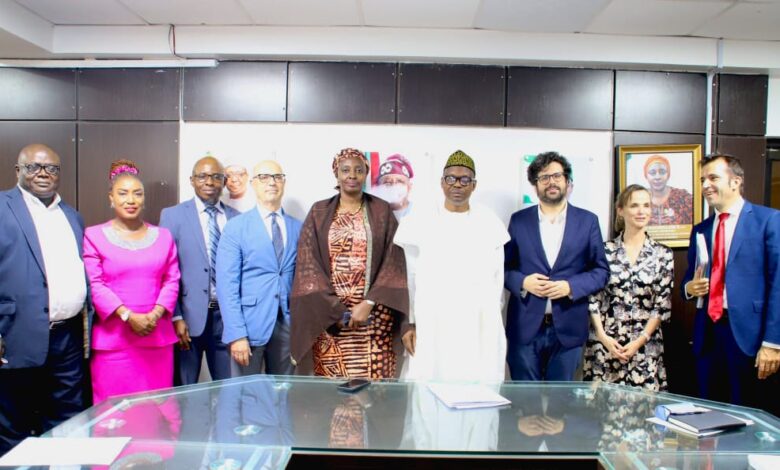
The Minister of State for Health and Social Welfare, Iziaq Adekunle Salako, stated this in Abuja while receiving the Ambassador of Spain to Nigeria, Felix Costales Artieda, who led a delegation from the Spanish Agency for International Development Cooperation on a courtesy visit to the Federal Ministry of Health and Social Welfare.
The visit was aimed at briefing the Nigerian government on key health programmes being implemented by the Spanish development agency and exploring areas of strengthened collaboration.
Speaking during the meeting, Dr. Salako described the evolving global health financing landscape as a legitimate concern but emphasized that Nigeria must chart its own course.
“The concern with the changes around global health funding is a legitimate concern, and Nigeria is also concerned. But we cannot be dependent on anybody for the health of our citizens. We must take responsibility and be in the driver’s seat for the health of our citizens,” he said.
The minister noted that under the leadership of President Bola Ahmed Tinubu, the Federal Government is implementing sweeping reforms through the National Health Sector Renewal Investment Initiative, a four-pillar transformation agenda designed to reposition the country’s health sector.
He further disclosed that the meeting created an opportunity to revisit the Memorandum of Understanding (MoU) signed between Nigeria and Spain in 2022, with a view to activating key components of the agreement, particularly technology transfer. According to him, this aligns with Nigeria’s ambition to strengthen local pharmaceutical and medical manufacturing through the Presidential Initiative on Unlocking the Healthcare Value Chain.
Dr. Salako also highlighted Nigeria’s interventions in addressing obstetric fistula and gynecological conditions, noting that specialized institutions have been established to tackle the challenges. He added that the government provides free treatment and social reintegration support for affected women.
“We welcome this initiative to make our relationship and health systems more robust and active. On our side, we will do everything possible to promote that partnership. It is important that we do things more efficiently,” he said.
Earlier, the Director of the Spanish Agency for International Development Cooperation, Mr. Anton Leis, said Spain is involved in several multilateral health initiatives in Nigeria. He disclosed that the agency is working with United Nations Population Fund (UNFPA) to combat harmful practices such as female genital mutilation and to support polio eradication efforts.
He added that the agency is collaborating with UNICEF and the European Union to promote efficiency in Nigeria’s health system and strengthen the medical products industry, noting that 1.1 million euros has so far been contributed toward these efforts.
Leis commended Nigeria’s sector-wide approach to health reforms, describing it as a model built around “one plan, one budget, and one important area,” which he said is fundamental for sustainable impact.
To further enhance health sector efficiency, he revealed ongoing collaboration with the National Institute for Pharmaceutical Research and Development, the National Agency for Food and Drug Administration and Control, and the Resilient Initiative for Unlocking the Healthcare Value Chain.
READ ALSO: Voice4Africa Deepens Nigeria Footprint, Targets Continental Rebranding Drive
VCDF, SEEPCO Launch Free Eye Care Programme in Ndokwa East LGA, Delta State
In her welcome remarks, the Permanent Secretary of the Federal Ministry of Health and Social Welfare, Daju Kachollom S. mni, noted that Nigeria and Spain share a longstanding relationship, recalling that both countries signed Memoranda of Understanding in 2022 and 2025 to strengthen collaboration, particularly in the health sector.
The meeting signals renewed diplomatic and technical engagement between both nations amid shifting global health financing dynamics and Nigeria’s push for greater self-reliance in healthcare delivery.
About The Author