
The Federal Government has reaffirmed that strengthening diagnostic services remains a critical pillar of Nigeria’s healthcare transformation, stressing that accurate and timely diagnosis is fundamental to effective disease prevention, early detection, treatment, and patient monitoring across the country.
The government said improving diagnostic capacity will not only enhance the quality of healthcare delivery but also strengthen national health security, boost local innovation, and ensure better health outcomes for Nigerians.
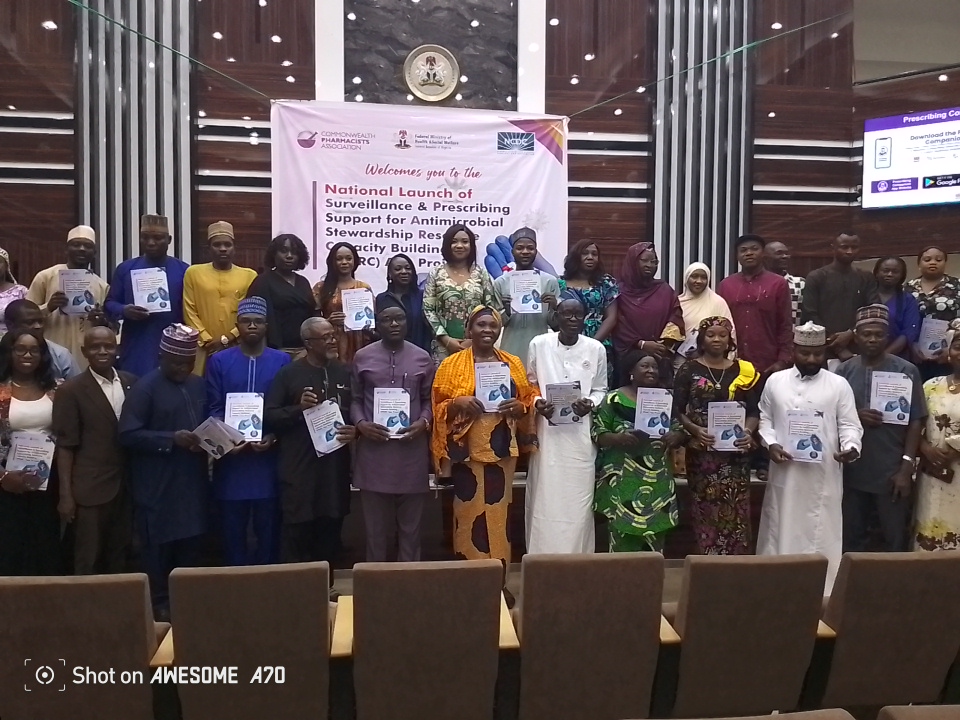
The Minister of State for Health and Social Welfare, Dr. Iziaq Adekunle Salako, made this known at the 2026 National Summit on Diagnostics themed “Strengthening Partnerships and Local Content for Integrated Diagnostics,” held in Abuja.
Dr. Salako described diagnostics as the foundation of modern healthcare, noting that strengthening diagnostic capacity is not merely a technical requirement but a strategic investment in the efficiency, credibility, and overall performance of the health system.
Represented by the Permanent Secretary of the Federal Ministry of Health and Social Welfare, Daju Kachollom, the minister emphasized that globally a significant proportion of clinical decisions depend on diagnostic results, underscoring the need for Nigeria to develop a resilient and integrated diagnostic system.
He explained that access to reliable diagnostic services—whether in rural primary healthcare centres or tertiary hospitals in major cities—empowers healthcare professionals to make informed decisions that improve patient outcomes while ensuring the optimal use of limited health resources.
According to him, the Federal Government is prioritizing the development of local capacity in the health sector, particularly in the manufacturing, distribution, and maintenance of diagnostic equipment and in-vitro diagnostic products.
He added that strengthening local innovation and production will enhance Nigeria’s national health security, stimulate economic growth, create employment opportunities, and position the country as a regional leader in healthcare solutions.
The minister further stated that under the Renewed Hope Agenda of President Bola Ahmed Tinubu, the transformation of Nigeria’s health sector remains a national priority, with diagnostics occupying a strategic place in the reform agenda.
He cited the implementation and periodic review of the National Essential Diagnostics List as one of the policy initiatives aimed at strengthening laboratory services nationwide.
Dr. Salako also stressed that building a strong diagnostic ecosystem requires collaboration among government institutions, development partners, research organisations, professional bodies, the private sector, and local innovators.
“The strength of our diagnostic ecosystem will ultimately depend on the strength of our partnerships. Government alone cannot achieve the transformation we envision. We must work hand-in-hand with development partners, research institutions, professional bodies, the private sector, and local innovators to drive sustainable progress,” he said.
He announced that the National Summit on Diagnostics would henceforth be institutionalised as an annual platform for strengthening partnerships, promoting local content, and advancing integrated diagnostic services in Nigeria.
In her welcome remarks, the Permanent Secretary of the Federal Ministry of Health and Social Welfare, Daju Kachollom, represented by the Director of Hospital Services, Dr. Adeola Adegoke, said diagnostics remain the backbone of clinical decision-making and public health response.
She noted that more than 70 per cent of medical decisions globally rely on diagnostic results, making it essential to ensure accessible, reliable, and high-quality diagnostic services at all levels of healthcare.
Kachollom acknowledged that Nigeria has made significant progress in expanding laboratory and diagnostic capacity but noted that challenges such as infrastructure gaps, workforce shortages, supply chain constraints, and inequitable access still persist.
According to her, addressing these challenges requires stronger partnerships between government, development partners, academia, and the private sector.
Also speaking at the summit, the Executive Director of KNCV TB Foundation in The Hague, Netherlands, Dr. Gidado Mustapha, called for the enforcement of a national diagnostics integration framework to improve access to diagnostic services at primary healthcare facilities across the country.
Presenting a paper titled “From Fragmentation to Integration: Building a Partnership-Driven Diagnostic Ecosystem for Nigeria’s Health System and Quality of Care,” Mustapha said expanding access to diagnostics at the primary healthcare level is critical to early disease detection and improved healthcare delivery.
In his vote of thanks, the Director and Head of the Medical Laboratory Services Division of the ministry, Dr. Emeka Elom, expressed appreciation to the administration of President Bola Ahmed Tinubu for its continued support and commitment to reforms in the health sector.
READ ALSO: NAUTH Management Seeks Dialogue with Nursing Students over N580,000 Fee Hike Protest
FG, World Bank Launch SPIN Project to Expand Irrigation, Hydropower, Food Security
He also commended the Minister of State for Health and Social Welfare, the Permanent Secretary, and other stakeholders for their leadership in strengthening Nigeria’s health system.
The summit also featured the unveiling of a policy document titled National Guideline for the Implementation of Medical Laboratory Quality Management System, with participants drawn from within and outside Nigeria.
About The Author