Nigeria is set to host the 5th Global High-Level Ministerial Conference on Antimicrobial Resistance (AMR) in December 2026, bringing the global ministerial dialogue on the growing public health threat to Africa for the first time.
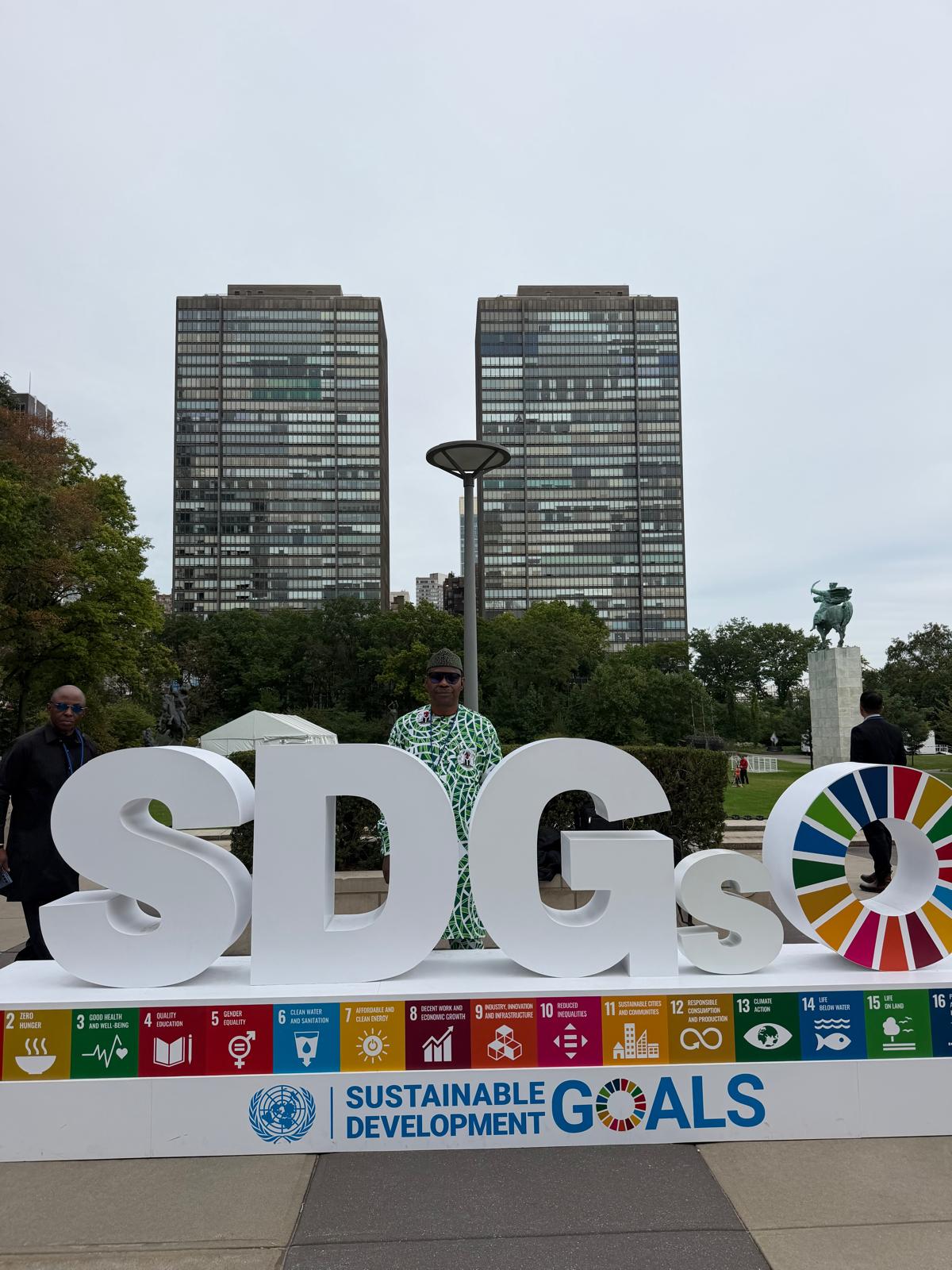
The Minister of State for Health and Social Welfare, Dr Iziaq Adekunle Salako, disclosed this on Friday while delivering Nigeria’s national statement on behalf of President Bola Ahmed Tinubu at the High-Level Meeting on Pandemic Prevention, Preparedness and Response on the sidelines of the 81st United Nations General Assembly in New York.
Salako said the conference would provide a platform to accelerate measurable One Health action and advance the priorities of low- and middle-income countries in tackling antimicrobial resistance.
He said Nigeria considered AMR not only a present public health threat but also a pandemic threat multiplier, stressing that it must remain embedded in the global pandemic prevention, preparedness and response agenda.
The minister said Nigeria welcomed the adoption of the political declaration of the High-Level Meeting, describing it as an opportunity to renew global commitment to pandemic prevention, preparedness and response.
He said Nigeria’s position was that preparedness was strongest when built around systems capable of preventing, detecting and controlling infectious threats on a daily basis.
According to him, the strength of routine public health systems determines how effectively countries detect threats early, respond rapidly and maintain essential services during public health emergencies.
Salako said Nigeria had, over the past decade, strengthened its legal and institutional foundations through expanded nationwide digital surveillance, institutionalisation of the 7-1-7 approach, enhanced genomic sequencing capacity and improved multi-hazard preparedness.
He added that Nigeria’s public health laboratory network now covered all 36 states, while Public Health Emergency Operations Centres were supporting coordinated responses to infectious disease outbreaks, including Lassa fever, cholera, diphtheria and meningitis.
The minister said Nigeria’s Joint External Evaluation, which measures national health security capacities, improved from 39 per cent in 2017 to 54 per cent in 2023.
He said the country was also advancing One Health implementation, AMR governance and infection prevention and control programmes across all states, while strengthening its emergency workforce at national and sub-national levels.
Salako noted that the US$250 million World Bank Health Security Programme was supporting the development of health security capacities at federal and state levels under a One Health approach.
He identified five national priorities for pandemic prevention, preparedness and response as strengthening national ownership, governance and legal preparedness; putting prevention at the centre of preparedness; building integrated, resilient and One Health systems; advancing equitable access, financing and African manufacturing; and deepening regional and global solidarity and accountability.
On global equity, Salako called for pathogen access to be matched by fair, timely and predictable benefit-sharing, including access to vaccines, diagnostics and therapeutics.
He also called for sustainable and rapidly accessible financing for low- and middle-income countries, as well as technology transfer and strengthened domestic manufacturing capacity, particularly in Africa.
The minister said Nigeria supported a holistic pandemic preparedness and response agenda that included tuberculosis, malaria and HIV, while advocating commensurate funding for programmes addressing the diseases.
He further stressed the importance of communities in pandemic preparedness, saying trust could not be built after an emergency had begun.
Salako called for sustained risk communication and community engagement, social listening, community hygiene and infodemic management between emergencies.
READ ALSO: Tinubu, Mandela and Rawlings: How History May Judge a Controversial Political Journey
MURIC Faults Nigeria’s Position on Palestine UNGA, Questions Failure to Join Netanyahu Walkout
He reaffirmed Nigeria’s commitment to strengthening national and regional capacities to prevent, detect and respond to public health threats, while calling for a global architecture that is equitable, sustainable, accountable and aligned with nationally determined priorities.
“National ownership and global solidarity must advance together,” he said.
About The Author