
By Fatima Saka
The Nigerian Conservation Foundation (NCF) has called for urgent and coordinated action to halt the rapid decline of Nigeria’s vulture population, warning that illegal killing, trafficking and trade in vulture parts could push the birds to extinction.
The foundation made the call in a statement to commemorate the 2026 International Vulture Awareness Day, stressing that Nigeria had become a major hub for the regional trade in vulture parts.
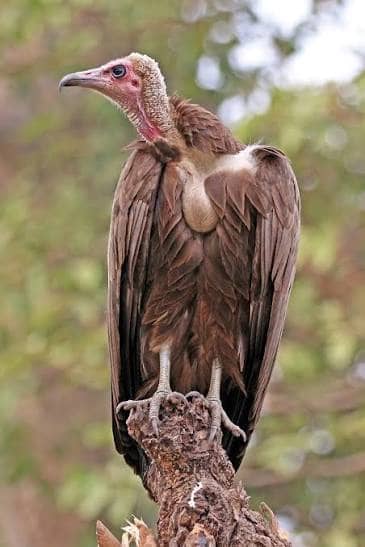
According to the NCF, four of the seven vulture species found in Nigeria are classified as Critically Endangered on the International Union for Conservation of Nature (IUCN) Red List. They are the Hooded Vulture, White-backed Vulture, Rüppell’s Vulture and White-headed Vulture.
The foundation said the Hooded Vulture (Necrosyrtes monachus) alone had suffered an estimated 95 per cent population decline since the early 2000s, underscoring the severity of the conservation crisis.
It further revealed that an estimated 73 per cent of vulture carcasses traded across West Africa pass through Nigerian markets, making the country a critical point in efforts to combat the illegal wildlife trade.
The NCF Director-General, Dr Joseph Onoja, said the crisis required immediate intervention from government, conservation organisations and local communities.
> “The crisis facing vultures is not happening somewhere far away. Nigeria is at the centre of this regional conservation challenge, including the illegal trade in vulture parts.
> “We cannot continue to lose these birds to poisoning, illegal killing and trafficking and expect our ecosystems to remain healthy,” Onoja said.
The foundation noted that the West African Vulture Conservation Action Plan (WAVCAP) identified Nigeria and Benin as major hubs for cross-border vulture trade, adding that cases of vulture killing for belief-based use had been reported across the 16 countries covered by the plan.
It therefore stressed the need for stronger cross-border cooperation among countries, law enforcement agencies, conservation groups and communities to tackle the transboundary nature of the trade.
The NCF also highlighted the ecological importance of vultures, explaining that the birds help keep the environment clean by rapidly consuming animal carcasses and organic waste.
It added that vultures play an important role in limiting the spread of diseases from dead animals to humans and wildlife.
The foundation said vulture populations had declined by between 80 and 97 per cent across Africa over the past five decades, putting several species at serious risk of extinction.
To reverse the trend, the NCF urged the Federal Government to strengthen enforcement of existing wildlife protection laws and increase monitoring of markets involved in the illegal vulture trade.
It also called for full implementation of the WAVCAP, establishment of Vulture Safe Zones, stronger measures to prevent poisoning and protection of critical feeding and breeding habitats.
The foundation advocated greater collaboration among government agencies, conservation organisations, traditional medicine practitioners, communities and neighbouring countries, particularly Niger, Benin and Cameroon.
According to the NCF, effective conservation would require action across the entire chain, including research, population monitoring, law enforcement and demand reduction.
The foundation said it had engaged traditional medicine practitioners to improve understanding of the ecological importance of vultures and promote plant-based alternatives for belief-based practices.
It added that it was undertaking satellite tagging, population surveys, conservation education and community engagement to map threats and build local support for vulture protection.
Onoja also appealed to Nigerians to stop patronising the illegal wildlife trade.
READ ALSO: FACADO @ 20: From One Room to a Home of Hope for Over 50 Vulnerable Children
FG Deploys 110 Ambulances, 145 Tricycles to Strengthen Emergency Medical Response Nationwide
“We are calling on Nigerians to reject the purchase or use of illegally sourced vulture parts, avoid patronising wildlife traders, and report suspected wildlife crimes to the relevant authorities,” he said.
The NCF reaffirmed its commitment to working with government, communities, researchers, traditional institutions, law enforcement agencies and conservation organisations to halt the decline of Nigeria’s vultures and ensure that the birds continue to perform their vital ecological role across the country.
About The Author