…… CBN Assures Resilient Economy Amid Global Pressures
By Fatima Saka
The Senate Committee on Banking, Insurance and Other Financial Institutions has expressed concern over the poor implementation of the capital component of the 2026 budget, even as it received assurances from the Central Bank of Nigeria (CBN) that the country’s economy remains resilient despite global uncertainties.
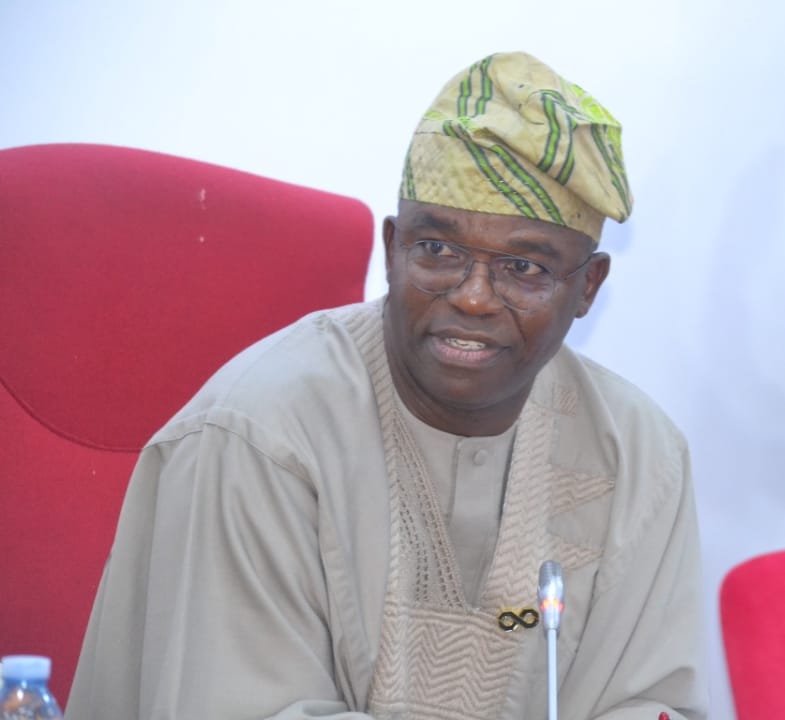
The committee, chaired by Senator Adetokunbo Abiru, made its position known on Wednesday during an interactive session with the CBN Governor, Olayemi Cardoso, who appeared before lawmakers to brief them on developments in the financial sector.
Members of the committee questioned fiscal performance and broader economic management, particularly in relation to budget execution, while seeking clarity on key macroeconomic indicators.
In his presentation, Cardoso maintained that Nigeria’s economy has continued to demonstrate strong resilience in the face of external shocks, including geopolitical tensions in the Middle East.
He told lawmakers that economic activities across key sectors remained robust, reflecting underlying strength in the domestic economy despite persistent global volatility.
According to the CBN Governor, inflationary pressures have remained moderate, while the foreign exchange market has shown relative stability, supported by ongoing reforms.
Cardoso reiterated the apex bank’s commitment to ensuring monetary and price stability, noting that efforts were underway to boost diaspora remittance inflows to one billion dollars monthly.
He added that the CBN would continue to implement policies aimed at sustaining growth and strengthening the overall macroeconomic environment.
The session comes shortly after the committee was briefed by the Minister of Finance and Coordinating Minister of the Economy, Wale Edun, who dismissed claims that the current administration borrowed about ₦80 trillion within three years.
Edun clarified that Nigeria’s public debt, which stood at about ₦75 trillion at the inception of the administration, rose significantly due to exchange rate depreciation and accounting adjustments rather than fresh borrowings.
READ ALSO: House Summons NSA Ribadu Over Alleged PFIPC, Seeks Clarity on Government Approval
He explained that the revaluation of external debt added over ₦40 trillion to the debt stock, while the securitisation of Ways and Means advances contributed about ₦33 trillion, stressing that these were not new loans but previously existing obligations.
Lawmakers, however, maintained their concerns over fiscal discipline and implementation gaps, emphasising the need for improved coordination between monetary and fiscal authorities to ensure sustainable economic growth.
About The Author