
By Fatima Saka
The Federal Government has revealed that Nigeria has surpassed the World Health Organization (WHO) food safety benchmark for low- and middle-income countries, even as the country continues to battle an estimated 50 million cases of foodborne illnesses annually.
The Minister of State for Health and Social Welfare, Dr. Iziaq Adekunle Salako, disclosed that Nigeria’s 2025 State Party Annual Report (SPAR) score of Level 3 places it ahead of the WHO target, positioning the country among leading nations in Sub-Saharan Africa in food safety capacity.
Salako, who spoke virtually on Monday at the 2026 World Food Safety Day commemoration in Abuja on Monday, said Nigeria has developed functional systems for detecting, reporting, and responding to foodborne disease outbreaks.
The event, held at Regus, Garki 2, Abuja, was themed “From Burden to Solutions – Safe Food Everywhere.”
According to the minister, strengthened coordination through the National Food Safety Management Committee and the implementation of the 2023 National Integrated Guidelines for Foodborne Disease Surveillance and Response have significantly improved Nigeria’s ability to manage food safety risks.
“These systems now support surveillance, laboratory confirmation, outbreak investigation, food recall, and risk communication across the country,” he said.
Despite these gains, Salako warned that unsafe food remains a major public health threat, revealing that Nigeria records over 53,000 deaths annually from foodborne diseases, with children under five accounting for more than 80 per cent of the burden.
He cited recent WHO estimates showing that unsafe food causes 866 million illnesses and 1.5 million deaths globally each year, with Africa bearing the highest per-capita impact.
In Nigeria, he said, more than 40 million diarrhoeal illnesses are linked to foodborne pathogens such as Salmonella, Escherichia coli, Campylobacter, Shigella, and Rotavirus.
“These infections remain leading causes of hospitalisation, malnutrition, and death among young children,” Salako noted, adding that chemical hazards, particularly lead contamination from food and water sources, are an emerging concern.
He stressed that the figures highlight the urgent need to strengthen food safety systems across the entire value chain, especially in traditional and informal markets where most Nigerians source their food.
“The WHO estimates are a call to action. We must intensify surveillance for chemical contaminants, improve hygiene practices, strengthen water and sanitation systems, and ensure compliance with food safety standards,” he said.
The minister also linked food safety to the rising burden of non-communicable diseases, including hypertension, diabetes, and heart disease, driven by high consumption of salt, sugar, and trans fats.
He disclosed that Nigeria is implementing sodium reduction guidelines, trans-fat elimination policies, and plans for front-of-pack labelling to promote healthier food choices.
Calling for collective responsibility, Salako urged stakeholders across government, industry, academia, and development partners to scale up efforts toward safer and healthier food systems.
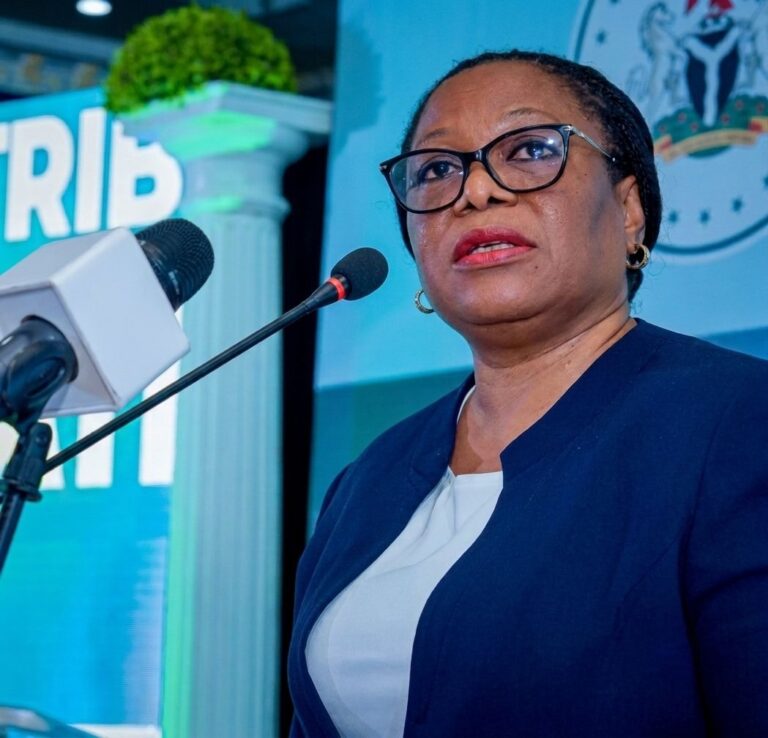
In her welcome address, the Permanent Secretary of the Federal Ministry of Health and Social Welfare, Mrs. Daju Kachollom, said the theme of this year’s event reflects the need for a more integrated approach to food safety and nutrition.
She noted that emerging evidence shows a strong link between foodborne diseases and unhealthy diets, calling for coordinated strategies that address both food safety and public health.
Kachollom commended stakeholders for their commitment and encouraged participants to contribute ideas that would strengthen Nigeria’s food systems and ensure safe food for all.
Goodwill messages were delivered by representatives of the Federal Ministry of Environment, Federal Ministry of Agriculture and Food Security, Federal Ministry of Marine and Blue Economy, the Standards Organisation of Nigeria (SON), the National Agency for Food and Drug Administration and Control (NAFDAC), the World Health Organization (WHO), Resolve to Save Lives (RTSL), and the Association of Food, Beverages and Tobacco Employers (AFBTE).
Speakers emphasised that food safety is fundamental to public health and requires a coordinated, multi-sectoral approach.
The Minister of Environment, Balarabe Abbas Lawal, highlighted environmental factors such as poor sanitation, unsafe water, pollution, and climate change as key drivers of foodborne diseases in Nigeria.
Also speaking, the Director-General of SON, represented by Mrs. Eva Edward, said standards remain critical to ensuring food safety, quality assurance, and consumer protection.
On his part, WHO Technical Officer for Nutrition and Food Safety, Dr. Pindar Wakawa, described safe food as a fundamental human right and essential for achieving sustainable development goals.
He noted that most foodborne diseases are preventable and called for urgent action to protect vulnerable populations, particularly children, and address emerging risks such as chemical contamination.
READ ALSO: BHCPF Critical to Nigeria’s Healthcare Reform – CSOs Call for Swift Amendment
Police Trust Fund Reform: IGP Insists Police Must Lead Needs Assessment, Hails Senate Deliberations
Salako commended WHO and other partners for their continued support and called on the media to amplify food safety awareness and promote behavioural change among Nigerians.
“Food safety is everyone’s business. It saves lives, strengthens our economy, and protects our future,” he said.
About The Author