Abuja, Nigeria — The Federal Government has unveiled new policies and guidelines aimed at strengthening the early detection, management, and prevention of hypertension, as health experts intensify calls for Nigerians to embrace routine blood pressure checks.
The initiative was announced during a public awareness road walk held in Abuja to commemorate the 2026 World Hypertension Day.
Speaking at the event, Dr. Malau M. Toma, Head of Cardiovascular Diseases and Tobacco Control under the Department of Public Health, Federal Ministry of Health and Social Welfare, described hypertension as a “silent killer” that requires proactive monitoring and sustained treatment.
He emphasized that this year’s theme, “Controlling Hypertension Together: Check your blood pressure regularly, defeat the silent killer,” highlights the urgent need for collective action through regular screening and adherence to prescribed medications.
According to Dr. Toma, uncontrolled hypertension can lead to severe complications, including stroke, heart disease, kidney failure, and blindness. He stressed that prevention depends largely on awareness and consistent monitoring.
He also called on the media and other stakeholders to intensify public education campaigns to dispel myths and misconceptions surrounding the condition. He noted that primary healthcare centres across the country have been strengthened to provide basic diagnosis and management of uncomplicated hypertension cases.
Dr. Toma further advised Nigerians to adopt healthier lifestyles, including regular physical activity, balanced diets rich in fruits, reduced fat and oil intake, and avoidance of tobacco and nicotine products.
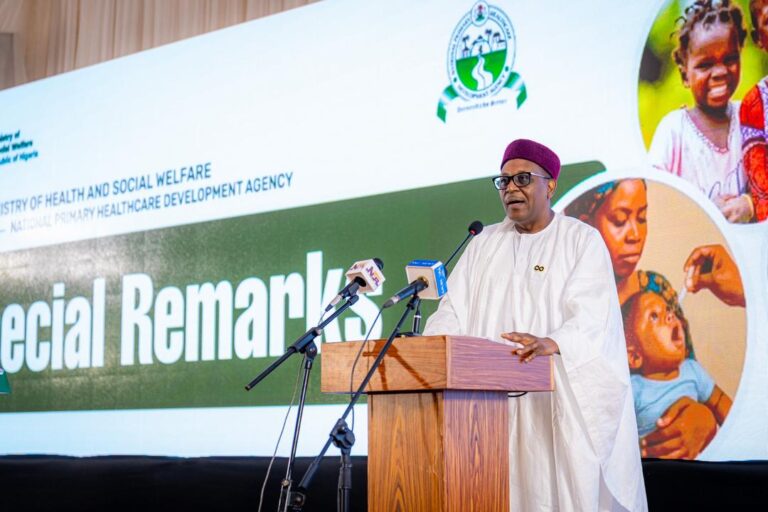
Also speaking, Dr. Suleiman Lamorde, Head of Non-Communicable Diseases at the National Primary Health Care Development Agency (NPHCDA), described hypertension as a growing global epidemic contributing significantly to poor health outcomes.
He revealed that over 9,000 primary healthcare facilities nationwide have been equipped to manage uncomplicated hypertension, ensuring that services are accessible at the grassroots level.
Lamorde urged Nigerians, particularly adults from age 18, to check their blood pressure regularly, recommending at least once a month, and more frequently for individuals above 50 or those with a family history of hypertension.
“Blood pressure checks are simple and often free at health facilities. Even without personal equipment, people should take advantage of nearby centres,” he said.
Development partners also acknowledged the government’s efforts while calling for increased funding and stronger policy commitment toward non-communicable diseases.
Dr. Ademuyiwa Damilola of the Legislative Initiative for Sustainable Development (LISDEL) and Dr. Onyekachukwu Osabiku of Resolve to Save Lives (RTSL) urged the government to match the level of investment seen in HIV/AIDS and malaria programmes.
They reaffirmed their commitment to supporting Nigeria’s response to hypertension by linking patients to care and amplifying the voices of those living with the condition.
READ ALSO: Troops Rescue 92 Kidnap Victims, Foil IED Ambush in Borno
Army Debunks Viral Video on Allowance Non-Payment, Affirms Full Welfare Compliance for Troops
Dr. Osabiku disclosed that RTSL is currently supporting hypertension control initiatives in Kano and Ogun states in collaboration with national and state health authorities, with plans to expand to other states.
Stakeholders at the event unanimously stressed the need for sustained collaboration among government, partners, healthcare providers, and communities to effectively curb the rising burden of hypertension in Nigeria.
About The Author