Staff Shortage, Budget Deficits Threaten Nigeria’s Geospatial Mandate, Senate Warns Over Capital Releases Stalled

By Fatima Saka
Severe staff shortages, persistent budget deficits and non-release of capital funds are hampering the effective discharge of Nigeria’s geospatial responsibilities, the Senate Committee on Federal Character and Inter-Governmental Affairs has warned.
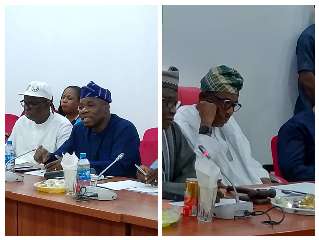
The concerns emerged on Tuesday during the defence of the 2024–2025 budget performance and 2026 proposal by the Office of the Surveyor-General of the Federation (OSGoF) before the committee chaired by Allwell Heacho Onyesoh.
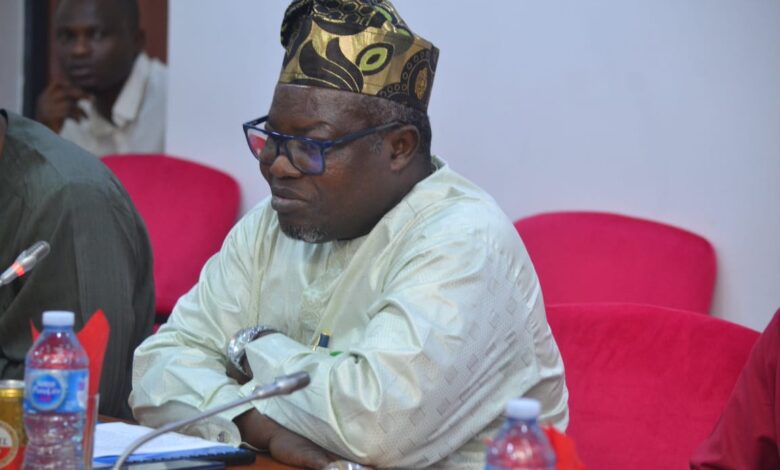
The Surveyor-General of the Federation, Abdulganiyu Adebomehin, told lawmakers that the agency’s workforce has dropped drastically from over 900 staff to 540 due to mass retirements and unapproved recruitment replacements.
“In some state offices, you may find only one or two staff,” Adebomehin said, adding that the agency had written to the Head of Service seeking special waivers to fill critical vacancies.
He further disclosed that some personnel were yet to be captured under the Integrated Payroll and Personnel Information System (IPPIS), contributing to salary gaps and funding inconsistencies.
Beyond staffing concerns, the agency is grappling with inadequate capital funding. While personnel and overhead releases in 2024 were fully honoured, only 86 per cent of capital funds were released. In 2025, no capital allocation had been released as of the time of presentation.
The Senate panel questioned fluctuations in personnel allocations, particularly why the 2026 personnel proposal of about N1.5 billion was lower than previous years despite acknowledged deficits.
Chairman of the committee, Onyesoh, pressed the agency to clarify how it intends to manage salary obligations amid shortfalls and declining staff strength.
Despite the challenges, Adebomehin emphasised the strategic importance of the office, noting that it is responsible for defining Nigeria’s landmass, territorial waters and offshore assets, and providing geospatial data critical for national planning and infrastructure development.
He highlighted achievements in large-scale mapping at a 1:5,000 scale in compliance with updated international standards, monitoring of major infrastructure such as the Second Niger Bridge, and assessment of dams and highways across the country.
READ ALSO: NUJ Seeks Increased TETFund Allocation, Urges Media Partnership to Bridge Tertiary Education Gaps
Dabiri-Erewa Hails Akran’s Diaspora Legacy, Backs Permanent Door of Return Project
Lawmakers acknowledged the technical importance of the agency but stressed the need for improved workforce planning, clearer budget projections and stronger justification for capital requests.
Onyesoh assured the agency of continued legislative engagement to address its operational gaps, describing the committee as committed to resolving institutional bottlenecks affecting federal agencies. Deliberations on the 2026 budget proposal are ongoing.
About The Author