2026 Budget Defence: Senate Seeks Stronger Funding for NAPTIP, Disability Commission, Senior Citizens Centre

By Fatima Saka
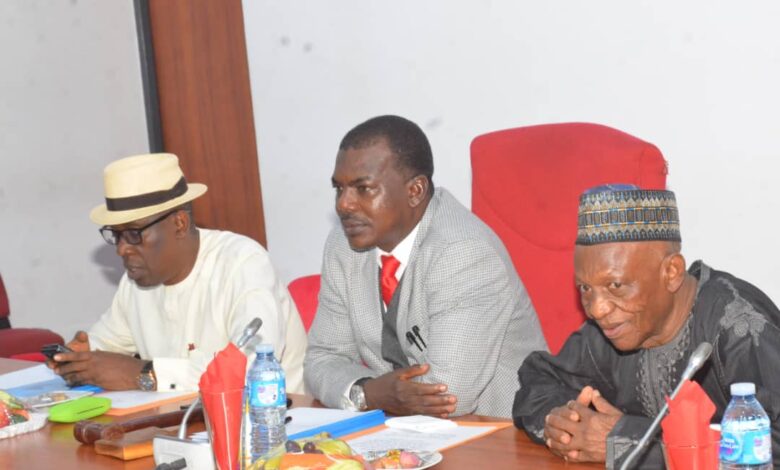
Abuja, Nigeria – The Senate Committee on Special Duties has called for substantial increases in funding for critical social protection agencies, expressing concern over rising human trafficking cases, lack of credible disability data, and inadequate welfare provisions for senior citizens.
The call was made on Tuesday during the 2026 budget defence and review of the 2024/2025 performance of the National Agency for the Prohibition of Trafficking in Persons (NAPTIP), the National Commission for Persons with Disabilities (NCPWD), and the National Senior Citizens Centre (NSCC).
Chairman of the Committee, Senator Kaka Shehu Lawan, described the growing reports of human trafficking as disturbing, stressing that the National Assembly must not remain passive in the face of the trend.
“Trafficking should not be increasing in Nigeria. We receive reports daily. As legislators, we cannot fold our arms and allow this to continue,” he said.
Lawmakers emphasised that NAPTIP requires stronger financial backing to effectively protect victims, expand shelter capacity, and improve prosecution of traffickers. The agency currently runs 15 shelters across the country, providing accommodation, counselling, rehabilitation, skills training and reintegration support for rescued victims.
However, NAPTIP disclosed that while it funds shelter operations, most rehabilitation and empowerment initiatives are supported by development partners, a model the agency described as unsustainable.
According to officials, a truly victim-centred approach demands consistent government funding to ensure that rescued persons are not only sheltered but fully rehabilitated and economically empowered before reintegration.
The Committee also directed improved coordination between the Nigerian Police Force and NAPTIP, urging that trafficking-related cases handled by police formations be promptly transferred to NAPTIP state commands for proper investigation and prosecution.
In its presentation, the National Commission for Persons with Disabilities raised concerns over the absence of reliable national statistics on persons living with disabilities. The Executive Secretary told lawmakers that although estimates suggest about eight million Nigerians live with disabilities, there is no verified national data to guide planning and policy.
He explained that engagements with agencies such as the National Population Commission have yet to produce authenticated figures, underscoring the urgent need for a comprehensive enumeration exercise.
The Commission appealed for dedicated funding in the 2026 budget to conduct a nationwide disability count, noting that accurate data is fundamental to effective budgeting, inclusive policymaking, and targeted interventions.
Responding, Senator Lawan assured the Commission of legislative support, noting that strengthening disability inclusion ultimately benefits society as a whole.
The National Senior Citizens Centre also highlighted significant funding shortfalls affecting programmes designed to support the elderly. The agency pointed to gaps in healthcare access, nutrition, social protection and care services, warning that many senior citizens remain vulnerable and underserved.
Officials further disclosed that the Centre faces an immediate accommodation crisis, as it is required to vacate its current office space without securing an alternative facility for more than 140 staff members.
They stressed that elderly care interventions are essential to preserving dignity and quality of life, and called for specific 2026 budgetary allocations to address healthcare coverage, nutrition support, energy needs and the establishment of functional care centres nationwide.
In his closing remarks, Senator Lawan commended the agencies for their resilience despite operational challenges and assured them that the Committee would carefully review their proposals.
He reaffirmed the Senate’s commitment to strengthening institutions responsible for protecting vulnerable groups, signalling greater legislative focus on anti-trafficking efforts, disability inclusion and the welfare of senior citizens in the 2026 fiscal year.
About The Author