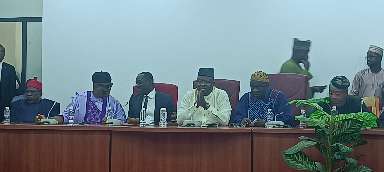
In a tense, high-stakes session that underscored Nigeria’s deepening energy anxieties, the Senate Joint Committee on Petroleum Resources (Upstream, Downstream and Gas) on Thursday grilled President Bola Ahmed Tinubu’s key oil and gas regulatory nominees, demanding proof that competence—not rhetoric—will anchor the administration’s promised energy reset.
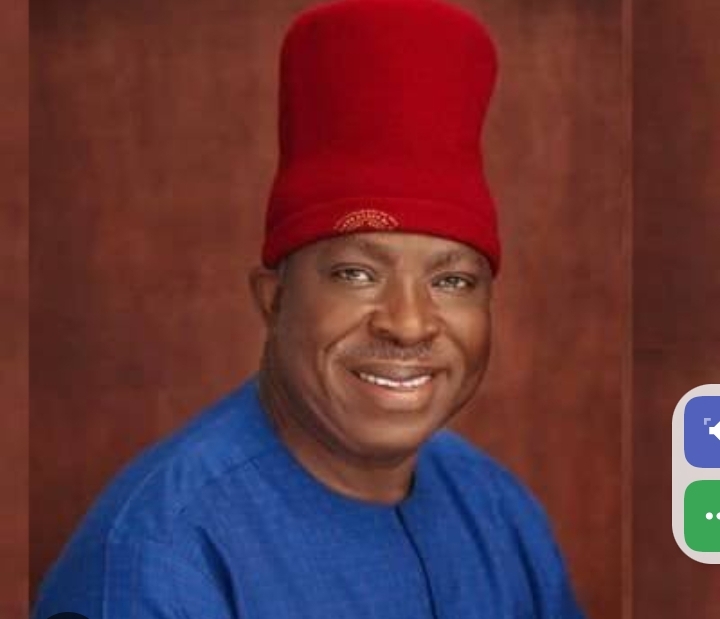
Presiding over the hearing, Chairman of the Senate Committee on Petroleum Resources (Downstream), Senator Suleiman Abdurrahman Kawu, said the screening was “not ceremonial,” warning that Nigeria’s crisis-ridden energy sector required clarity, courage and immediate corrective action. With Tinubu’s budget presentation imminent, Kawu said the Senate expected unequivocal commitment to reforms capable of stabilising fuel supply, boosting crude production and unlocking Nigeria’s long-stalled gas potential.
At the centre of the scrutiny were Mrs. Oritsemeyiwa Amanorisewo Eyesan, nominee for Chief Executive Officer of the Nigerian Upstream Petroleum Regulatory Commission (NUPRC), and Engr. Saidu Aliyu Mohammed, nominee for Chief Executive Officer of the Nigerian Midstream and Downstream Petroleum Regulatory Authority (NMDPRA) — appointments widely regarded as decisive for restoring discipline and credibility to the sector.
Introducing the nominees, Senator Bashir Lado, Special Adviser to the President on Senate Matters, declared the President’s confidence in his selections. But the Senate insisted the nominees prove their worth publicly.
Eyesan, a 33-year industry veteran and former Executive Vice President, Upstream at NNPC, positioned herself as a reform-minded regulator ready to enforce discipline across the value chain. She recalled spearheading the resolution of joint venture cash-call arrears that unlocked over $6 billion in investments, settling more than $10 billion in production sharing disputes and securing Nigeria’s first Non-Associated Gas Development contract.
Her most startling assertion drew murmurs: production rose from 1.3 million barrels per day to 1.8 million barrels per day under her watch. As regulator, she pledged to digitise operations, enforce asset integrity, insist on data-driven regulation and ensure Nigeria stops “leaving value on the table.”
Engineer Mohammed, a career midstream and downstream specialist, warned bluntly that “gas cannot run on goodwill,” insisting on strict contractual discipline, protection of domestic refining capacity and rigorous enforcement of regulatory frameworks, including gas network codes.
He recalled saving the Nigerian Gas Company from financial collapse, expanding transmission infrastructure and enforcing domestic gas obligations while contributing to the Gas Master Plan.
Senators did not hold back. Senator Joel Onowakpo-Thomas demanded specifics on what Eyesan would do differently.
Senator Jarigbe Agom Jarigbe pressed Mohammed on guaranteeing stable gas supply to power plants. Senator Asuquo Ekpenyong challenged Eyesan to replicate her reported production success in a regulatory role. Concerns also surfaced around fuel import licensing, host community obligations, refinery utilisation and gas flaring.
Eyesan accused the sector of governance failure, stressing that a nation with over 200 trillion cubic feet of gas should not still battle power scarcity. Mohammed vowed firm enforcement, infrastructure renewal, laboratory-backed product quality assurance and a hard-line stance on gas-to-power reliability.
READ ALSO: Public servants Hail Sanwo-Olu for bonus package
Closing the session, Senator Kawu expressed guarded optimism, stating that the Senate expects the nominees to help Nigeria achieve between 2.2 and 2.5 million barrels of crude production daily.
With applause marking the end of proceedings, the Senate signaled that confirmation is now largely procedural. For Tinubu, the screenings represent a decisive move in his energy gamble. For Nigerians, they deepen expectations—and pressure—to finally convert vast resources into reliable power, fuel stability and sustainable national prosperity.
About The Author