
The Federal Government has reiterated that health remains the backbone of Nigeria’s development agenda, stressing that access to quality and affordable healthcare is essential to national unity, economic productivity, social stability and the success of President Bola Ahmed Tinubu’s Renewed Hope Agenda.
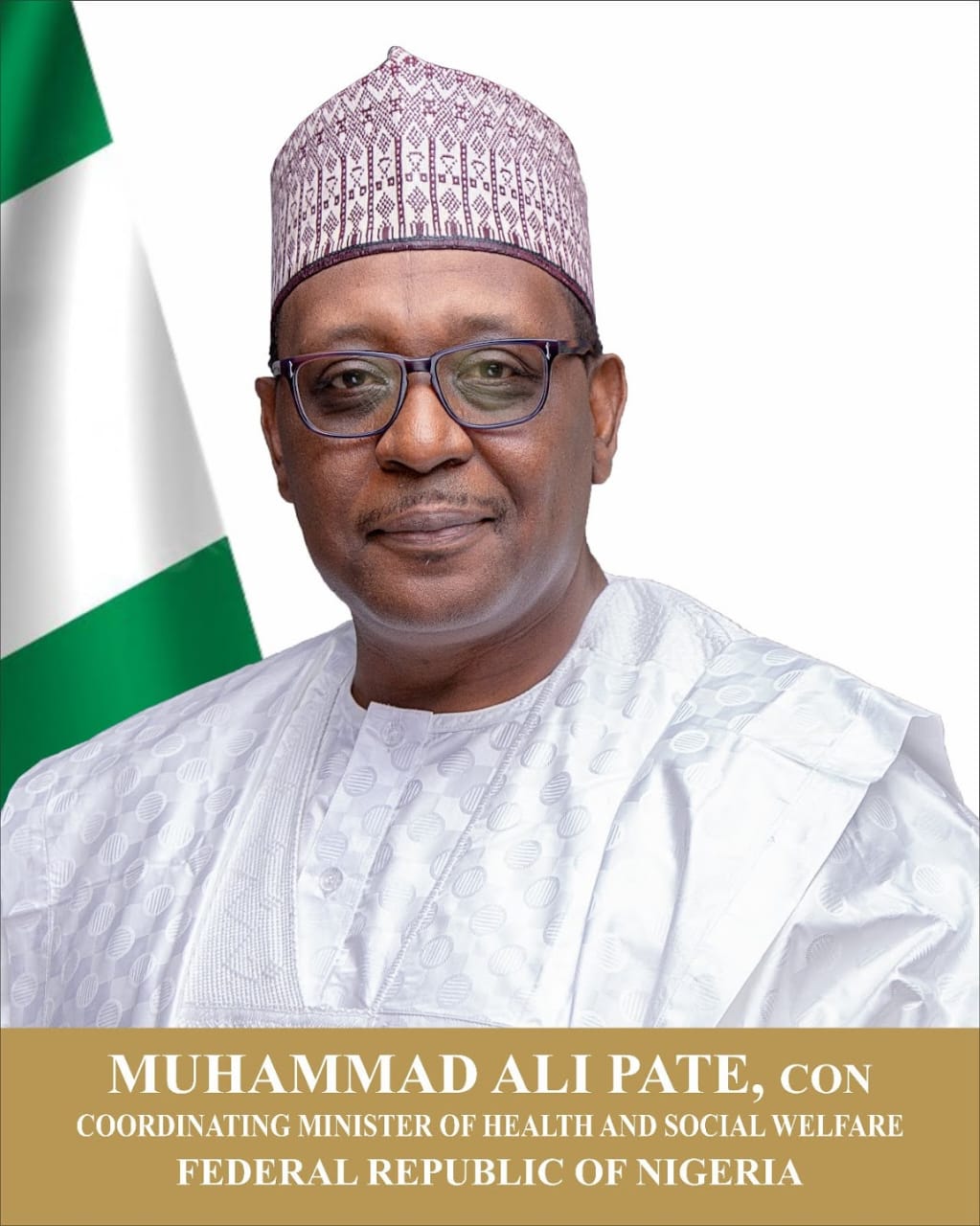
Coordinating Minister of Health and Social Welfare, Professor Muhammad Ali Pate, stated this while receiving the Honourable Minister of Information and National Orientation, Alhaji Mohammed Idris, who led chief executives of federal media organisations on an advocacy visit to the Federal Ministry of Health and Social Welfare Headquarters.
According to a statement signed by Alaba Balogun, Deputy Director and Head of Information and Public Relations, Professor Pate said the administration has deliberately placed health at the centre of governance because no sector can function effectively without a healthy population.
“Without health, there is no work, no farming, no business, no manufacturing and no infrastructure. Health is the most critical asset of any nation,” he said.
He explained that the administration’s health transformation agenda is driven by a clear “North Star” — to save lives, reduce the physical and financial pain of accessing care, and deliberately produce health through prevention, wellness promotion and strengthened public health systems, especially for the poor and vulnerable.
Pate said the agenda rests on four major pillars, beginning with governance reforms to align federal, state and local systems, strengthen regulatory institutions and ensure policies reflect citizens’ needs, supported by annual People’s Voice Surveys. He added that increased health funding further demonstrates genuine political commitment.
On service delivery, the Minister disclosed that thousands of primary healthcare centres have been revitalised nationwide, with direct facility financing expanded from 1,300 to more than 13,000 PHCs. Over 80 million Nigerians accessed health services in the first half of the year, while more than 79,000 frontline health workers have been retrained, alongside expanded training quotas to address workforce gaps.
He highlighted investments in tertiary care, including new and expanded oncology centres through public-private partnerships, alongside efforts to expand health insurance coverage and reduce the cost of medicines.
On medical industrialisation, he noted renewed growth in local pharmaceutical manufacturing, rapid diagnostic test production and insecticide-treated net manufacturing, supported by regulatory reforms and executive orders. Over 100 local manufacturers are currently undergoing regulatory approvals, signalling a gradual shift from import dependence to local production.
On health security, Pate said the Federal Government has strengthened epidemic preparedness and response capacity, citing successful containment of diphtheria, meningitis and yellow fever outbreaks, as well as enhanced border surveillance in response to regional and global threats.
He noted early signs of progress, including declining maternal mortality in targeted LGAs, improved immunisation coverage and rising public confidence, while acknowledging that challenges remain.
Earlier, Minister of Information and National Orientation, Alhaji Mohammed Idris, said the visit aimed to deepen collaboration and enhance communication of government policies and achievements. He commended reforms in primary healthcare, oncology services and medical industrialisation, stressing that effective communication is essential to governance.
“What is not communicated is as good as not done,” he said, assuring intensified efforts to publicise health sector achievements and promote positive health-seeking behaviour.
Minister of State for Health and Social Welfare, Dr. Iziaq Adekunle Salako, said many health gains are less visible but more impactful than physical infrastructure. He noted that immunising millions of Nigerians has greater life-saving impact than many tangible projects.
READ ALSO: Sterling Leads Partnership, Trains 40 Journalists to Strengthen Media Sustainability in Nigeria
FG Commissions PCBs Treatment Facility to Curb Hazardous Pollution, Protect Public Health
He added that power supply challenges in health facilities are being addressed, with a presidential directive establishing a joint steering committee with the Ministry of Power to deliver reliable energy solutions, targeting stable power in at least 50 per cent of hospitals by 2027.
Both ministries agreed that sustained collaboration and strategic public engagement are vital to consolidating reforms and rebuilding public trust in Nigeria’s health system.
About The Author